
Creating a living space that feels welcoming and remains efficient throughout the year is a goal shared by many American households. When a home feels drafty during colder months or stifling in the summer, daily routines suffer, and maintaining an even indoor climate becomes a constant chore. Finding the right balance between cozy interior aesthetics and sensible utility management does not require drastic structural overhauls. Instead, thoughtful adjustments to your floor plan, furnishings, and maintenance habits can make an immediate difference.
Many homeowners mistakenly assume that optimizing efficiency means sacrificing warmth and visual charm. In reality, comfortable decor and responsible energy use complement each other naturally. When you arrange furnishings with airflow in mind, choose textiles that insulate, and keep up with seasonal care, you build an environment that supports your family while respecting your household budget.
Arranging Furnishings for Better Airflow and Comfort
The way you position major furnishings directly influences how conditioned air circulates throughout a room. Placing an oversized sofa or an entertainment console directly over a floor register or in front of a baseboard heater traps heated or cooled air before it can circulate. Leaving breathing room around vents ensures that air spreads evenly across the room, preventing stubborn cold pockets and hot zones from forming in everyday gathering spaces.
Traffic flow also impacts how spaces feel on a daily basis. When rooms are overcrowded with heavy pieces, navigating the area becomes difficult, and the room can feel chaotic and stuffy. Selecting items that balance scale with utility helps maintain open sightlines and easier movement. When you want to replace tired seating or bring in new accent pieces without straining your budget, browsing resources like newdiscountfurniture.com can help you discover stylish options that suit your daily routines.
In addition to clear pathways, consider grouping seating arrangements around central focal points rather than spreading chairs along chilly exterior walls. An intimate arrangement pulls people toward the core of the room, which maintains a more stable temperature. A well-placed area rug under this conversational cluster further defines the zone while anchoring the room visually and adding a welcoming physical barrier. Choosing versatile pieces like storage ottomans also reduces clutter that might otherwise disrupt air distribution.
Addressing Common Thermal Weak Points
Windows and exterior doors account for a large portion of unintended heat transfer in residential spaces. Even minor gaps around frames allow conditioned air to escape, forcing heating and cooling systems to work harder to maintain a stable environment. Inspecting perimeter seals and replacing worn weatherstripping creates a reliable barrier against seasonal weather without requiring complicated installations.
Window dressings serve a dual role as decorative elements and protective barriers. Heavy draperies lined with thermal backing trap a layer of air against the glass, slowing heat loss on brisk evenings. In warmer weather, closing blinds during the sunniest hours blocks intense solar gain before it raises indoor temperatures. Those who are already focused on upgrading an older living space often find that managing drafts at windows delivers noticeable improvements in everyday comfort.
Do not overlook interior doors leading to unconditioned areas, such as basements, attics, or attached garages. Installing simple door sweeps along the bottom edges of these entryways stops unwanted air currents from creeping into your main gathering areas. Similarly, caulking along baseboards on exterior-facing walls and latching windows firmly shut will prevent subtle drafts from cooling your floors during blustery days.
Layering Lighting and Decorative Textiles
Lighting plays an essential psychological and physical role in how warm and inviting a home feels. Relying solely on overhead ceiling fixtures can leave a room feeling flat, harsh, and sterile. By incorporating multiple light sources, including floor lamps, table lamps, and wall sconces, you create a layered scheme that easily adapts to reading, entertaining, or unwinding in the evening.
Choosing energy-efficient light bulbs with warm color temperatures creates a cozy ambiance without generating excess heat. Older style bulbs waste a substantial amount of energy as heat, which can counteract air conditioning during warm summer afternoons. Modern alternatives consume far less power, run cool to the touch, and last considerably longer, making them a practical choice for high-use living areas.
Soft textiles also contribute directly to physical comfort. Hard flooring surfaces like hardwood, laminate, or tile can feel chilly underfoot and amplify indoor drafts. Layering plush area rugs over these surfaces adds an insulating cushion that feels pleasant to walk on and dampens ambient noise. Keeping breathable throws and comfortable cushions on sofas allows family members to adjust their personal warmth without immediately altering the household thermostat.
Strengthening Whole-House Efficiency Measures
Beyond daily decor and furniture arrangement, maintaining the underlying building envelope ensures that your comfort efforts remain sustainable over time. Checking that your attic has sufficient insulation prevents warm air from rising out of living spaces during winter months. Similarly, sealing gaps around plumbing penetrations and electrical outlets on exterior walls eliminates subtle drafts that often go unnoticed.
Maintaining your heating and cooling equipment is another fundamental step. Regularly replacing air filters prevents dust from clogging mechanical components, which preserves airflow and keeps equipment running smoothly. For comprehensive advice on structural maintenance and thermal performance, consulting home guides such as garrettiron.com provides practical pointers on how to protect your household from seasonal drafts.
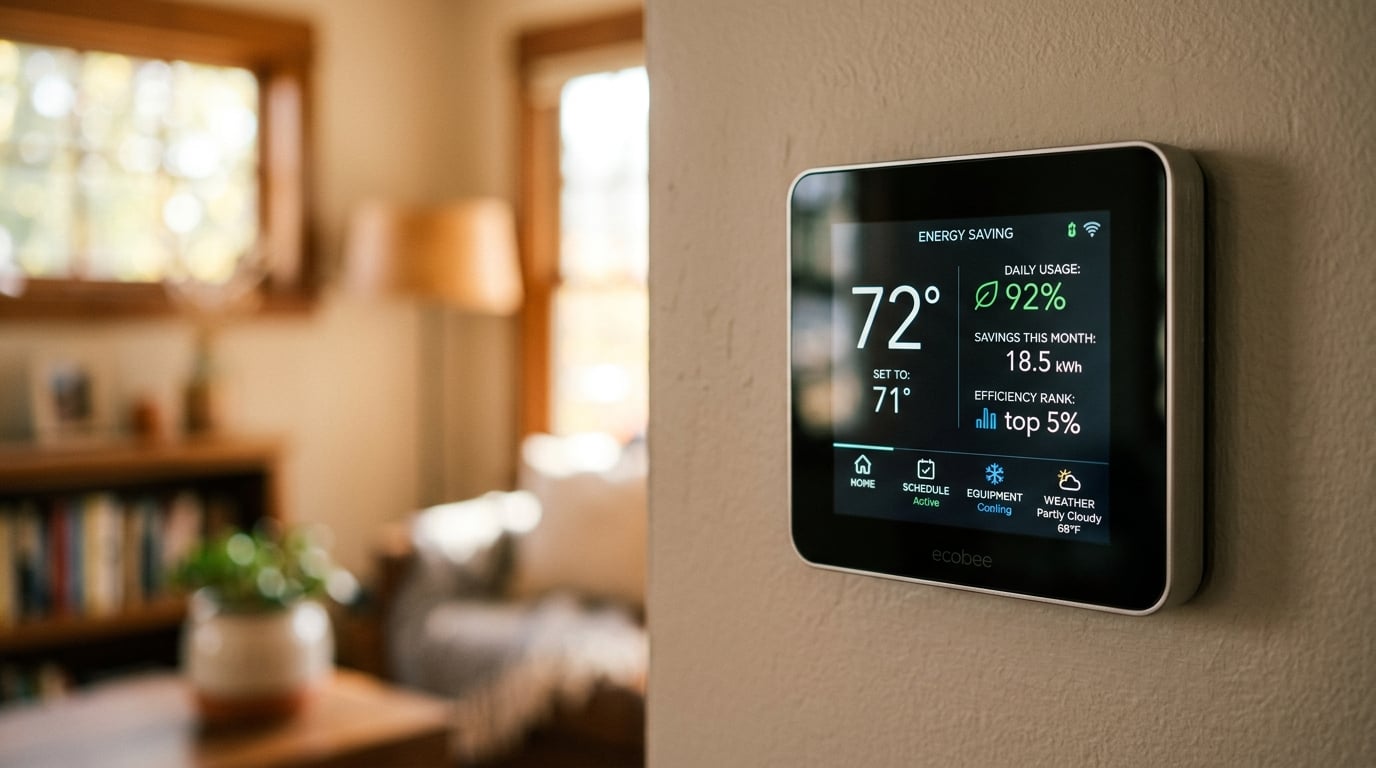
Programmable or smart thermostats can also simplify daily comfort management. By establishing schedules that temper heating or cooling demands while the household is asleep or away at work, you minimize unnecessary equipment runtime without sacrificing comfort when everyone gathers at home. Additionally, sealing accessible duct joints in basements or attics ensures that conditioned air reaches its intended destinations rather than escaping into unconditioned spaces.
Simple Habits for Long-Term Home Care
Creating a comfortable and efficient home is not a one-time project; it is an ongoing practice supported by consistent habits. Staying mindful of seasonal transitions helps you address minor issues before they disrupt your living environment or lead to excessive energy consumption.
Developing a regular checklist makes it easier to stay ahead of seasonal changes. Consider working through these practical tasks during seasonal transitions:
- Inspect caulking and weatherstripping around all exterior doors and windows.
- Clean air vents and ensure return grilles remain unobstructed by furniture or drapes.
- Reverse ceiling fan rotation so blades push warm air down in winter and pull air up in summer.
- Wash or vacuum heavy draperies and area rugs to keep fabrics fresh and functional.
- Check and replace mechanical filters across your heating and cooling systems.
Taking a holistic view of your living environment allows you to craft a home that looks attractive, feels restful, and functions efficiently. By pairing smart room layouts and durable furnishings with proactive seasonal care, you establish a balanced space that serves your household reliably through every season.