
Moving to a new home involves far more than comparing floor plans, storage space, and commute times. While the physical structure of a house or apartment defines your personal living quarters, the surrounding neighborhood shapes how you interact with your environment every day. For households interested in reducing waste, conserving natural resources, and enjoying cleaner air, selecting the right community is just as critical as choosing the right dwelling.
A neighborhood that supports sustainable living makes low-impact habits feel natural and convenient rather than exhausting. When basic amenities, shared natural spaces, and reliable transit options sit within easy reach, sustainable choices integrate seamlessly into your weekly routine. Evaluating these neighborhood characteristics before signing a lease or placing an offer ensures that your next residence actively supports your environmental lifestyle.
Assessing Walkability and Public Transit Access
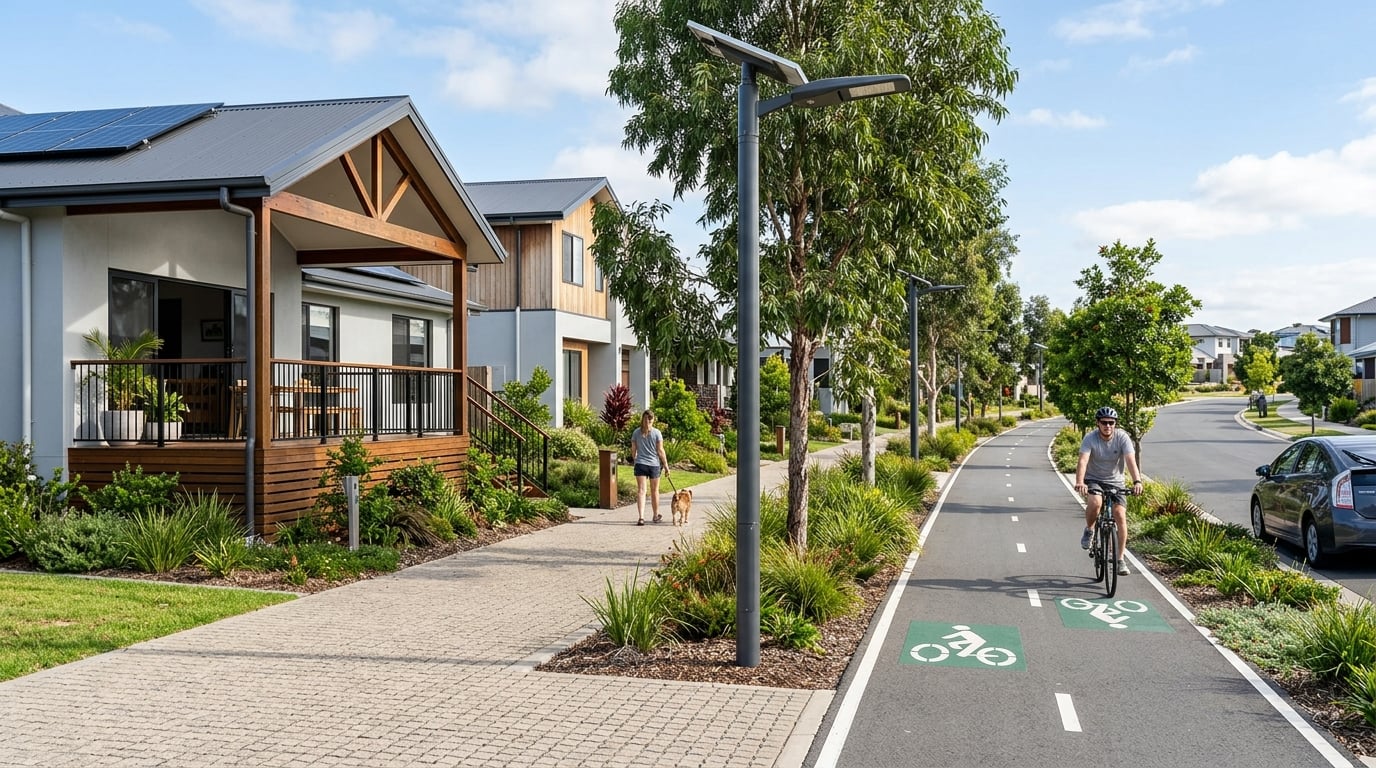
Transportation represents one of the largest sources of personal energy consumption. Choosing a neighborhood where everyday errands do not require driving is one of the most effective ways to lower your ecological footprint. A walkable area allows you to reach grocery stores, pharmacies, libraries, and cafes on foot, turning routine trips into pleasant daily exercise while keeping vehicles off neighborhood roads.
When exploring potential neighborhoods, take time to walk the surrounding streets at different times of the day. Notice whether sidewalks are continuous, well-maintained, and buffered from vehicle traffic by planting strips or rows of trees. Look for pedestrian-activated crosswalks, dedicated cycling paths, and calm traffic patterns that make walking and biking feel comfortable and safe for residents of all ages. Communities that feature bike-share stations and designated cycling corridors make it practical to run quick errands or travel to nearby transit hubs without starting an engine.
Proximity to reliable public transit expands your freedom of movement across the broader metropolitan area without relying on personal vehicles. When browsing residential listings and scouting properties through platforms like idreamhomez.com, look for homes situated near convenient bus corridors, light rail stations, or commuter train stops. Having accessible public transit within walking distance gives you flexible commuting alternatives that lower fuel consumption and ease road congestion.
Evaluating Green Spaces and Urban Tree Canopies
A healthy urban canopy offers substantial ecological and lifestyle benefits. Mature trees line residential streets, absorb carbon dioxide, filter airborne particulate matter, and provide essential shade. During warm summer periods, streets covered by thick tree foliage remain noticeably cooler than exposed asphalt corridors, moderating local temperatures and creating pleasant microclimates for pedestrians.
Public parks and municipal greenways also provide valuable communal space where residents can relax, exercise, and connect with nature without driving to distant recreation areas. Well-maintained parks offer children safe places to play, provide habitats for native songbirds and pollinators, and offer peaceful retreats from the fast pace of urban life. Access to these natural spaces within a short walking distance encourages daily outdoor recreation and helps lower the stress associated with dense urban living.
Beyond visual beauty, green infrastructure plays a vital role in local water management. Grass swales, rain gardens, and permeable soil absorb heavy rainwater, preventing soil erosion and relieving pressure on municipal storm drain systems. An area that protects its natural soil and mature trees demonstrates long-term civic planning focused on ecological stability and community health.
Scouting Sustainable Local Amenities and Infrastructure
A community’s local commercial district provides strong clues about its dedication to resource conservation. Having access to grocery markets that stock regionally sourced produce, bulk dry goods, and unpackaged pantry staples makes zero-waste meal preparation far more realistic. When local shops encourage reusable containers and cloth shopping totes, waste reduction becomes an effortless part of daily life.
Municipal waste collection services also warrant careful consideration. Inquire whether the local government offers curbside composting programs, routine yard waste collection, and specialized drop-off points for electronics and hazardous household materials. Those who live in leased spaces can consult informative resources such as Greenrenters.org to find practical strategies for managing waste, conserving power, and encouraging property managers to adopt greener building policies.
Observing neighborhood facilities during an exploratory visit will help you determine how well the surrounding area supports sustainable habits. Consider looking for several distinct community features that indicate an active culture of resource stewardship:
- Local farmers markets offering seasonal produce from regional agricultural producers.
- Community gardens that provide dedicated planting beds and communal composting bins.
- Convenient drop-off locations for specialty recycling and household compost collection.
- Publicly accessible electric vehicle charging stations located near shopping areas and transit centers.
- Tool libraries and repair workshops that encourage borrowing equipment rather than purchasing new tools.
Examining Building Orientations and Microclimates
Microclimates vary across different sections of a single town or city. Natural landforms, elevation changes, water bodies, and wind corridors all influence how much sunlight and fresh air a home receives. An area situated on an open hillside might experience continuous cooling breezes during summer months, whereas low-lying terrain might trap moisture and heat.
Sunlight exposure has a profound effect on residential living conditions. Properties oriented toward the south capture generous natural daylight throughout cooler months, illuminating indoor living spaces naturally and reducing reliance on artificial lighting during the day. Deciduous shade trees planted along the southern and western exposures of a street provide cooling summer shade while shedding leaves in autumn to welcome winter warmth. Observing how window placement aligns with prevailing seasonal breezes also helps you assess whether a dwelling can utilize cross-ventilation during pleasant spring and autumn afternoons.
Thoughtful attention to solar orientation and natural ventilation works hand in hand with strategies for balancing comfort and energy efficiency, helping occupants maintain pleasant indoor temperatures across shifting seasons while minimizing unnecessary utility usage. Observing how natural light and cross breezes interact with a property gives you a clearer preview of its comfort.
Connecting with Active Community Environmental Groups
The social fabric of a neighborhood is just as important as its physical infrastructure. A community with active volunteer groups, gardening clubs, and environmental stewardship organizations fosters a welcoming culture where sustainable habits flourish. When residents collaborate on local initiatives, eco-friendly living transforms from a private task into a shared neighborhood experience.
Look at community message boards in local coffee shops, public libraries, or town community centers. Notice whether residents organize seasonal river cleanups, native tree plantings, bicycle repair clinics, or plant swaps. These grassroots activities reflect an engaged populace that values environmental conservation and takes collective pride in maintaining their surroundings. Active neighborhood associations often collaborate with municipal planners to advocate for improved public recycling bins, protected bike paths, and community park preservation.
Speaking with future neighbors during a visit also provides genuine context that online descriptions cannot capture. Ask residents about neighborhood pedestrian safety, municipal recycling consistency, and how the community works together to care for public spaces. An informed, active neighborhood provides the social foundation needed to sustain environmentally conscious habits for years to come.
Finding a home that aligns with your lifestyle values requires looking past individual property lines to consider the broader community landscape. By evaluating pedestrian infrastructure, urban greenery, access to sustainable businesses, and active civic participation, you can select a neighborhood that simplifies sustainable living. Choosing an environment that nurtures responsible habits ensures that your next move benefits both your personal well-being and the natural world around you.