
Severe weather events and sudden interruptions to the electrical grid are increasingly common realities for households across the nation. High winds, torrential rain, heavy snow, and extreme temperature swings place unique pressures on residential structures. When the power goes out, everyday routines immediately grind to a halt, affecting refrigeration, heating, lighting, and communication. Preparing a residence to weather these disruptions requires deliberate planning long before storms appear on the radar. By making thoughtful improvements to your property, you can protect your physical structure and ensure your family maintains basic comforts during extended utility interruptions.
Reinforcing the Structural Envelope and Vulnerable Entry Points
The exterior shell of a house serves as the primary barrier against harsh outdoor elements. Roof coverings, flashing, exterior doors, and window seals take the brunt of severe storms, and any compromised component can allow wind-driven moisture to infiltrate the building envelope. Regular inspections of rooflines, soffits, and exterior caulking help spot early deterioration before heavy weather turns hairline gaps into significant water intrusion.
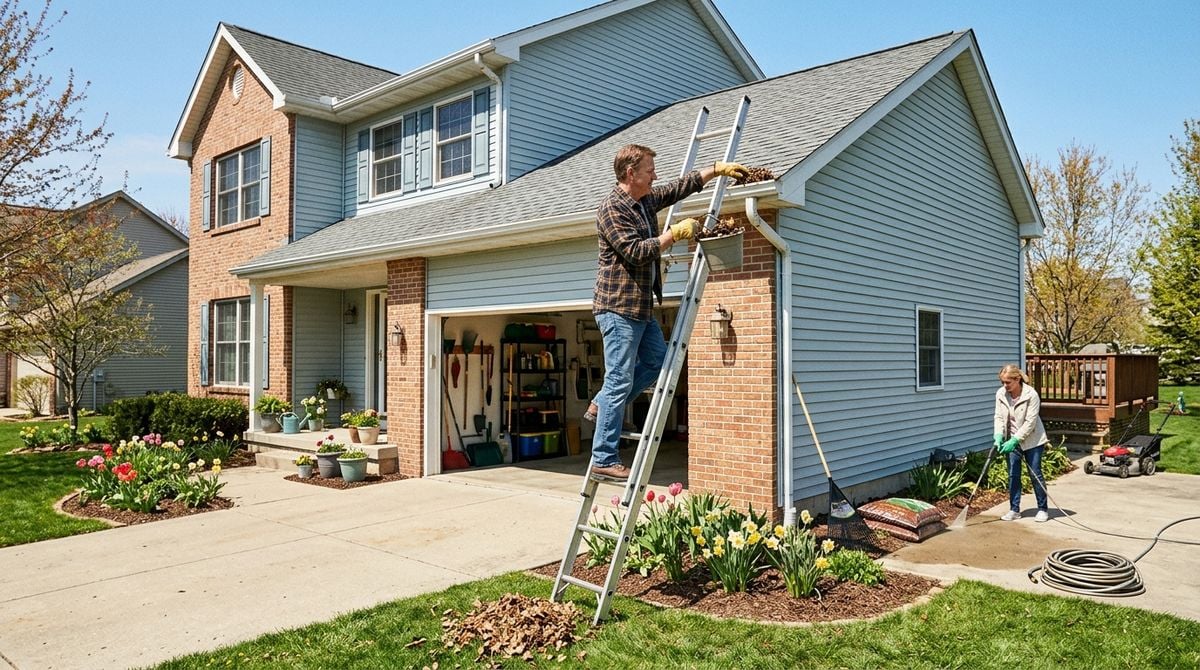
Gutters and downspouts also play an essential role in safeguarding foundations and basements. When downspouts are clogged with leaves and debris, overflowing rainwater pools against foundation walls, raising hydrostatic pressure and increasing the likelihood of seepage. Clearing drainage paths and directing downspout extensions several feet away from exterior walls channels moisture safely away from ground-level spaces.
Windows and large overhead garage doors represent critical weak points during intense wind events. Garage doors, in particular, cover expansive openings and can buckle under extreme air pressure, potentially causing structural failures in the surrounding walls or roof assemblies. Installing reinforced bracing kits or upgrading to wind-rated garage doors provides substantial stability. For homeowners exploring step-by-step structural maintenance and safety upgrades, consulting practical resources like betterhomeguide.com can provide valuable perspective on completing reliable renovation projects.
Designing a Resilient Utility Zone and Equipment Area
When storms roll through, mechanical equipment and vital home infrastructure face direct threats from indoor moisture and power interruptions. The room or area housing water heaters, main breaker panels, and plumbing connections requires deliberate attention. Keeping equipment raised above floor level on concrete pads or durable mounting blocks shields sensitive components from accidental pooling caused by pipe sweating or localized drain backups.
Installing a reliable sump pump system is an indispensable upgrade for properties with basements or lower crawl spaces. Because standard sump pumps rely entirely on municipal power, an electrical failure during a torrential downpour can quickly lead to basement flooding. Adding a secondary battery-operated backup pump or an auxiliary water-powered backup pump delivers continuous water removal when the primary electrical service fails.
Moisture management is equally critical on the ground level, particularly in utility corridors, basements, or mudrooms where water can track inside during storm cleanups. Reviewing practical strategies for selecting durable flooring for busy households helps identify water-resistant and impact-ready materials that hold up against heavy equipment and sudden puddles. Rigid luxury vinyl, sealed concrete, or porcelain tile provide cleanable surfaces that resist rot, warping, and mold growth if minor water seepage occurs.
Establishing Safe and Dependable Backup Power Systems
Maintaining electrical power during extended blackouts keeps refrigeration running, powers essential medical equipment, preserves communication lines, and maintains indoor temperature control. While permanent standby generators offer automatic operation, portable generator setups provide an accessible, flexible alternative for many households. The key to operating any generator safely lies in creating a dedicated, code-compliant connection to the house.
Running extension cords through open doors or windows presents both security risks and serious carbon monoxide hazards. A far safer configuration involves installing a manual transfer switch or an interlock kit beside your main breaker panel, paired with an exterior power inlet box. This setup allows you to plug the generator safely into an outdoor port and switch designated household circuits on from the interior panel without backfeeding power onto the electrical grid.
Selecting equipment that operates on multiple fuel choices, such as liquid propane and standard gasoline, offers vital flexibility when local filling stations experience shortages. Exploring detailed equipment comparisons on bestdualfuelgenerator.com can help you evaluate portable capacities, runtimes, and noise ratings before investing in a backup power setup. Propane burns cleanly, produces fewer carburetor deposits during long periods of storage, and stores indefinitely in sealed tanks, making it an outstanding primary or reserve fuel for emergency preparedness.
Safety must remain the central priority during any portable generator operation. Generators must always run outdoors in open, well-ventilated spaces, positioned well away from open windows, vents, doors, and air intake louvers. Battery-powered carbon monoxide alarms must also be installed on every level of the home, particularly near sleeping quarters, to provide immediate alerts should exhaust gases ever drift toward the building.
Creating an Organized Emergency Supply Staging Area
During an emergency, searching through crowded closets or cluttered storage bins wastes valuable time and creates unnecessary panic. Dedicating a specific, accessible closet or shelving unit to emergency provisions keeps essential supplies organized and ready for rapid deployment. Heavy-duty plastic containers with secure latches prevent humidity, insects, and dust from spoiling stored dry goods or compromising sensitive items.
A well-rounded household staging area should keep critical items grouped logically:
- Battery-powered flashlights, headlamps, and lanterns along with fresh, unexpired replacement batteries.
- A hand-crank or battery-operated weather radio to monitor alerts when internet service and cellular networks drop.
- A clean supply of potable water stored in food-grade containers, accompanied by basic filtration or purification tablets.
- A thoroughly stocked first-aid kit containing bandages, antiseptic wipes, medical tape, and essential personal prescriptions.
- Non-perishable, ready-to-eat food items that do not require refrigeration or complex cooking methods.
- Sturdy work gloves, multipurpose tools, waterproof matches, and heavy-duty contractor trash bags for cleanups.
Labeling every storage tote clearly ensures that any family member can locate supplies in the dark without confusion. It is also beneficial to keep a simple laminated inventory list affixed to the door of your storage area so everyone knows exactly what is on hand.
Establishing a Seasonal Inspection and Maintenance Routine
The best emergency equipment and structural improvements provide little protection if they fail when needed most. Creating a predictable seasonal maintenance routine ensures that backup gear remains functional, seals remain tight, and supplies stay fresh. Developing a simple spring and autumn checklist helps homeowners stay proactive without feeling overwhelmed.
Test your backup power equipment periodically by running the engine with a moderate electrical load connected. This exercise circulates lubricants through the engine, keeps the electrical stator properly conditioned, and verifies that the transfer switch operates smoothly. If you store gasoline for emergency equipment, treat it with a quality fuel stabilizer and rotate your supply every few months to prevent gumming and varnish inside fuel lines.
Similarly, check roof valleys, trim back overhanging tree branches that could snap under heavy wind or ice accumulation, and verify that all smoke detectors and carbon monoxide detectors have fresh batteries. Taking the time to maintain these systems quietly throughout the year builds lasting confidence, transforming storm preparedness from a stressful scramble into an orderly, dependable part of household management.