
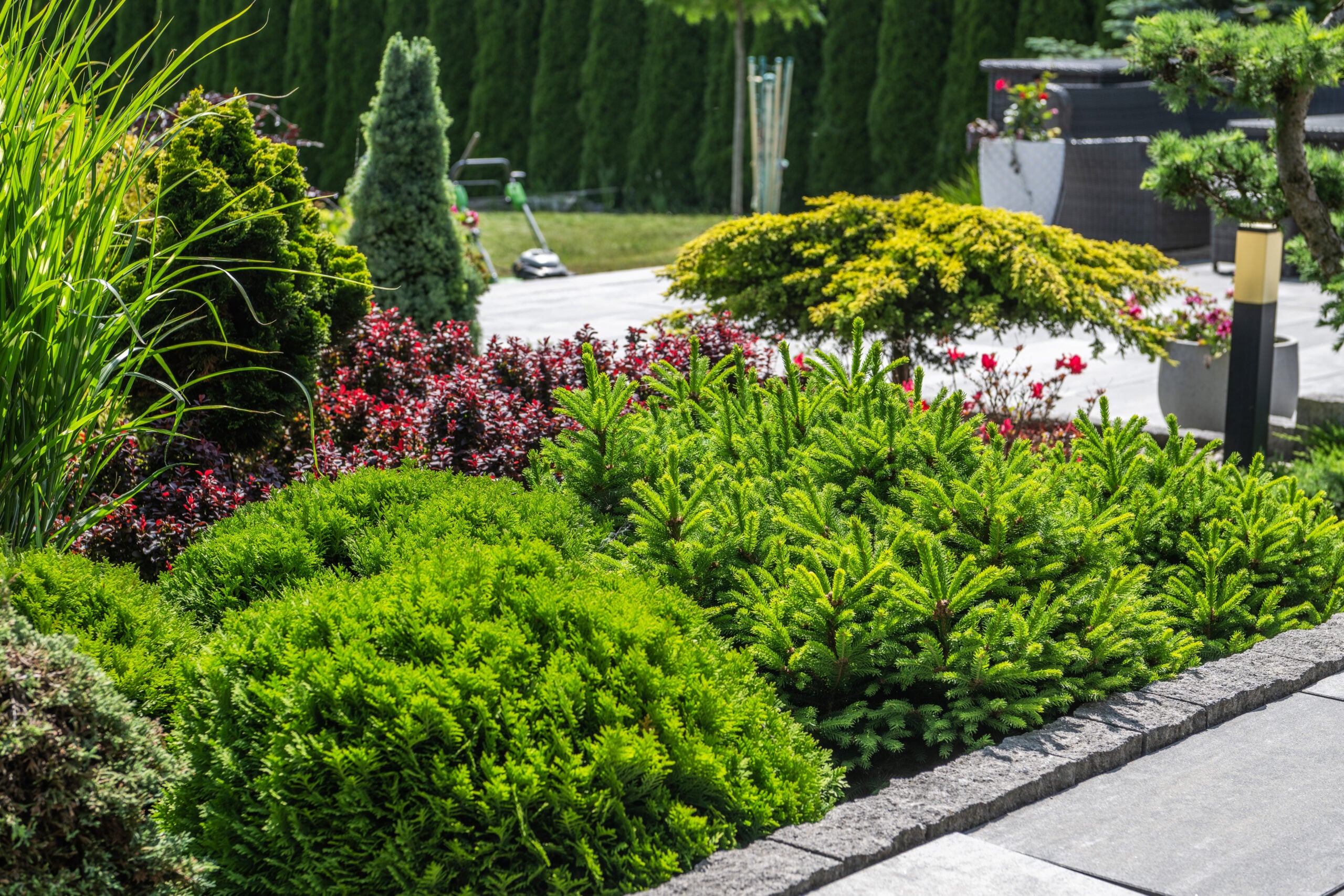
Water restrictions and rising utility costs have pushed many homeowners to rethink their outdoor spaces. The good news? A drought-tolerant yard doesn’t mean settling for a landscape of gravel and cacti. With thoughtful planning, you can create a lush, dynamic garden that thrives on minimal water while still turning heads.
Start With Smart Plant Selection
The foundation of any drought-tolerant landscape is choosing plants suited to your climate. Native species are your best allies here, since they’ve adapted over generations to survive on natural rainfall alone. Look to ornamental grasses, succulents, and flowering perennials like lavender, yarrow, and coneflower for color and texture without constant watering.
Layering plants by height and bloom time keeps the landscape visually interesting throughout the seasons. Pair silvery foliage plants with deep green groundcovers, then add pops of color from drought-hardy flowers. The contrast in textures and hues creates depth, making the space feel intentional rather than sparse.
Rethink Your Lawn
Traditional turf grass is one of the thirstiest elements in a typical yard. Rather than eliminating green space entirely, consider swapping high-maintenance grass for drought-resistant alternatives like buffalo grass or clover. These options require significantly less water while still providing a soft, walkable surface for kids and pets.
For areas where lawn isn’t essential, hardscaping offers a stylish solution. Gravel pathways, flagstone patios, and decorative rock beds reduce the amount of land that needs irrigation while adding architectural interest. Mixing hardscape with pockets of greenery keeps the design from feeling stark or overly minimalist.
Design Efficient Irrigation Systems
Even drought-tolerant plants need some water, especially during establishment. The key is delivering that water as efficiently as possible. Drip irrigation systems are far more effective than traditional sprinklers because they target water directly at the root zone, minimizing evaporation and runoff.
Grouping plants with similar water needs together, a practice known as hydrozoning, also improves irrigation efficiency. This prevents overwatering thirsty plants or underwatering hardy ones, since everything in a given zone receives the same amount of moisture. Installing a smart irrigation controller takes this a step further by adjusting watering schedules based on weather conditions, so you’re never wasting water on a rainy day.
Mulching around plants complements any irrigation strategy by locking in soil moisture and suppressing weeds. Organic mulch options like wood chips or bark also break down over time, enriching the soil and reducing the need for additional fertilizers.
Incorporate Multi-Functional Hardscaping
Beyond pathways and patios, hardscaping elements like retaining walls, raised beds, and boulders can add dimension to a drought-tolerant design. Raised beds are particularly useful because they allow you to control soil composition, which helps with water retention in arid climates.
Water features might seem counterintuitive for a water-wise garden, but a small recirculating fountain uses minimal water while adding a soothing focal point. The sound of moving water also creates an inviting atmosphere without the high consumption of a traditional pond or pool.
Focus on Structure and Color
A common misconception is that drought-tolerant gardens lack visual appeal. In reality, structure and color come from unexpected places. Succulents offer sculptural shapes in shades of blue-green, purple, and burgundy. Ornamental grasses sway with the wind, adding movement and softness against harder landscape elements.
Consider incorporating a mix of evergreen shrubs for year-round structure alongside seasonal bloomers for changing color. This ensures your landscape never looks flat or one-dimensional, regardless of the time of year.
Maintain for Long-Term Success
Drought-tolerant landscaping isn’t a one-and-done project. Regular maintenance, including pruning, weeding, and periodic soil amendments, keeps the garden looking its best. Fortunately, these tasks are typically less demanding than maintaining a traditional lawn and flower bed setup, freeing up time for enjoying your outdoor space rather than laboring over it.
Bringing It All Together
Creating a beautiful, water-wise landscape comes down to smart choices: selecting the right plants, designing efficient irrigation, and balancing hardscape with greenery. The result is a yard that conserves resources without sacrificing charm, proving that sustainability and style can absolutely coexist in your own backyard.