
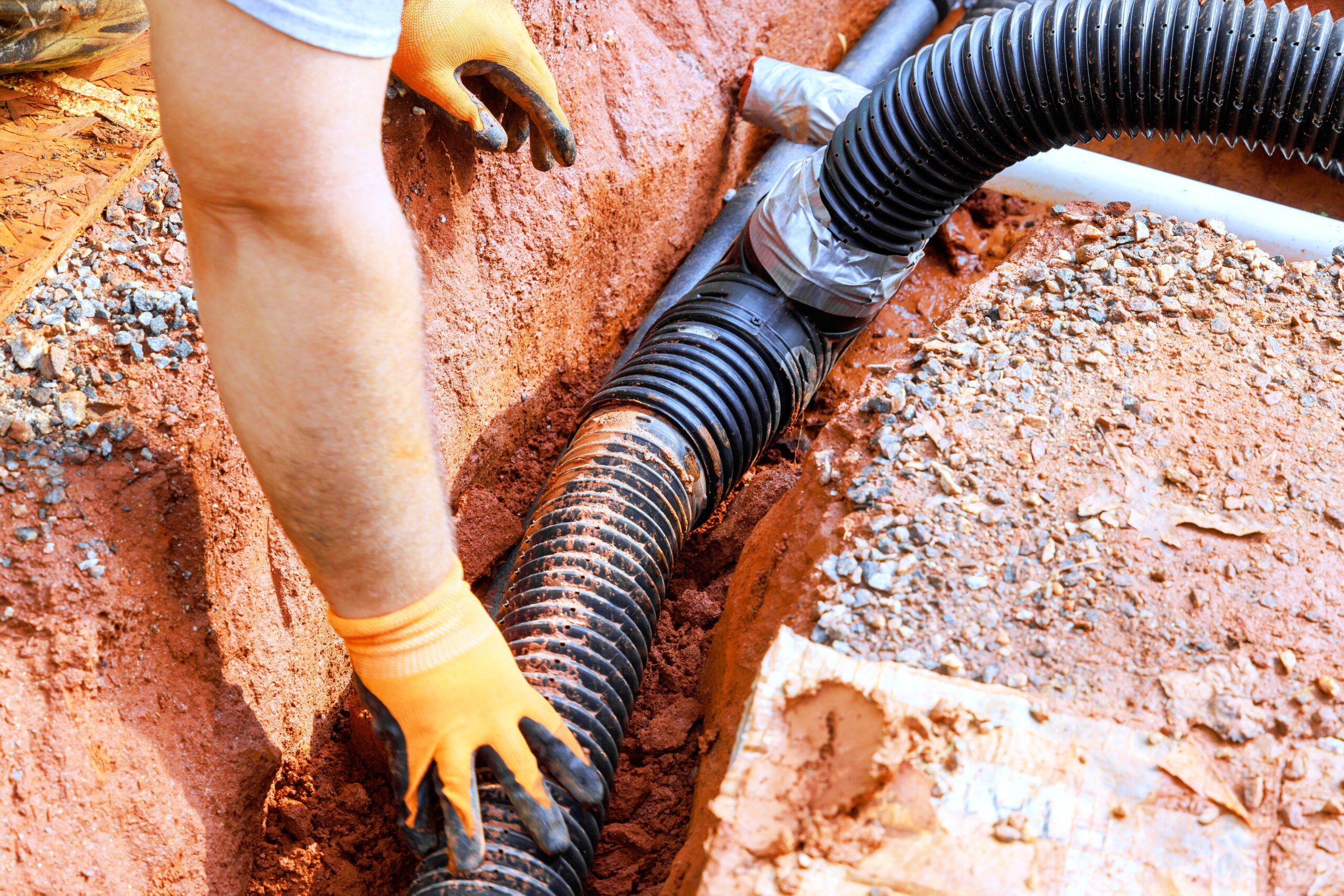
Trees add beauty, shade, and value to your property, but their root systems can wreak havoc on what you can’t see underground. Sewer lines offer an irresistible combination of moisture, nutrients, and oxygen that roots naturally seek out. Once roots find their way into your pipes, the damage only gets worse over time. Knowing the warning signs early can save you from a much larger headache down the road.
Why Tree Roots Invade Sewer Lines
Sewer pipes carry water, organic waste, and condensation, all of which create a moist environment that tree roots find highly attractive. Even the smallest crack, loose joint, or aging seal in a pipe releases enough moisture to draw roots toward it. Once a root finds an entry point, it doesn’t stop growing. It continues to expand inside the pipe, gathering debris and eventually creating blockages that disrupt your entire plumbing system.
Older homes with clay, cast iron, or concrete piping are especially vulnerable, since these materials tend to develop cracks and gaps over the years. Even newer PVC systems aren’t entirely immune, particularly at the joints where sections connect. Trees planted close to sewer lines, especially species known for aggressive root systems, increase the likelihood of problems developing sooner rather than later.
Common Signs of Root Intrusion
Several symptoms can indicate that roots have made their way into your sewer line. Recognizing these signs early gives you the chance to address the issue before it escalates into a full-blown emergency.
- Slow drains throughout the house: If multiple sinks, tubs, or toilets are draining slowly at the same time, it often points to a blockage further down the line rather than an isolated clog.
- Gurgling sounds: Unusual noises coming from drains or toilets can mean air is trapped due to a partial obstruction caused by root growth.
- Frequent backups: Recurring sewage backups, especially in the lowest drains of your home, are a strong indicator that something is restricting flow.
- Sewer odors: A persistent smell of sewage inside or outside your home may signal a crack or break in the line that’s allowing gasses to escape.
- Lush patches of grass: Ironically, an area of unusually green or fast-growing grass above your sewer line can mean a leak is fertilizing the soil.
- Indentations in the yard: Sunken spots in the lawn can develop when a damaged pipe allows soil to shift or collapse around it.
If you notice one or more of these signs, it’s worth investigating further rather than waiting for the problem to worsen.
Why a Sewer Inspection Matters
Guessing at the cause of a plumbing issue often leads to wasted time and money. A professional sewer inspection uses a specialized camera to travel through your pipes, giving a clear, real-time view of what’s happening beneath the surface. This process removes the uncertainty and shows exactly where roots have intruded, how extensive the damage is, and whether other issues like corrosion or misalignment are also at play.
Sewer inspections are particularly valuable for homeowners with mature trees nearby or those living in older properties with outdated piping. Even if you haven’t noticed obvious symptoms yet, a routine inspection can catch early-stage root intrusion before it turns into a costly repair. Catching the problem early often means the difference between a simple cleaning and a full pipe replacement.
What Happens After Roots Are Found
Once an inspection confirms root intrusion, the next steps depend on the severity of the damage. Minor intrusions can often be cleared using mechanical augers or hydro-jetting, which uses high-pressure water to cut through roots and flush debris from the pipe. For more significant damage, such as cracked or collapsed sections, trenchless pipe repair methods can restore the line without the need to tear up your entire yard.
Addressing the root cause, quite literally, may also involve consulting with an arborist about root barriers or, in some cases, removing a problematic tree altogether. Combining plumbing repairs with proactive landscaping decisions helps prevent the same issue from recurring in the future.
Protecting Your Sewer Line Going Forward
Prevention is far less disruptive than dealing with an emergency backup. Scheduling routine sewer inspections, particularly if you have trees near your sewer line, allows you to catch small problems before they escalate. Being mindful of where you plant new trees and choosing species with less invasive root systems can also reduce long-term risk.
Tree roots and sewer lines don’t have to be a losing battle. With attentive monitoring, timely inspections, and the right maintenance plan, you can enjoy the trees on your property without sacrificing the health of your plumbing system.