
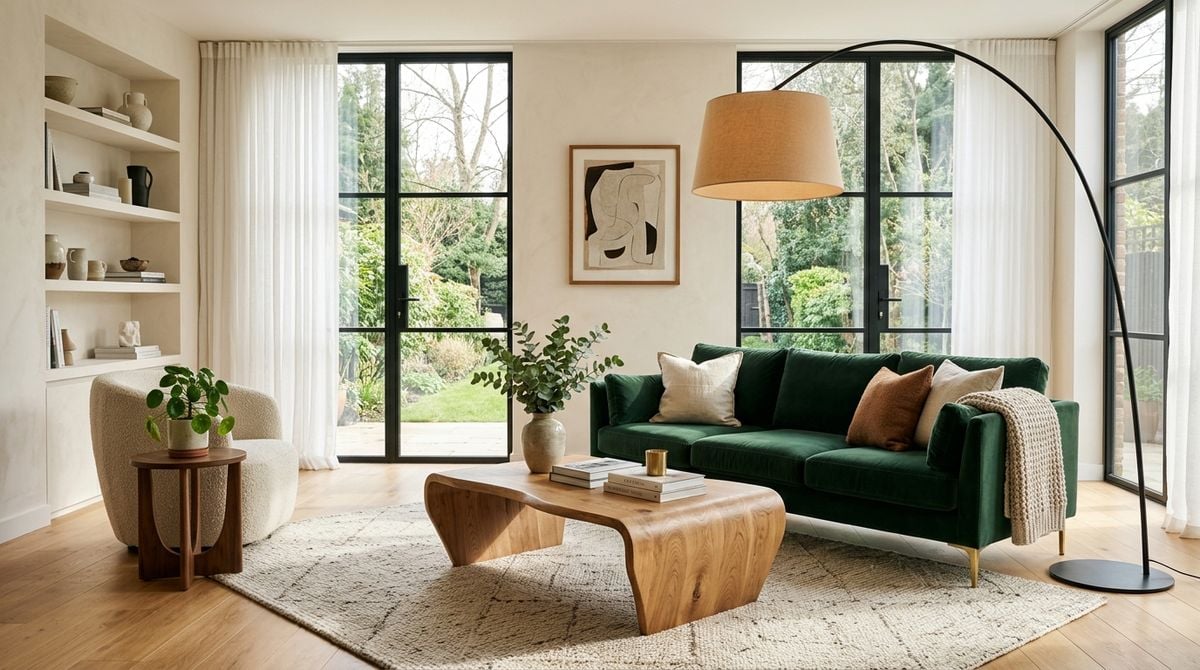
The central living room often serves as the true heartbeat of an American home. From morning coffee rituals and homework sessions to evening movie nights, this shared space accommodates a constant stream of activity. Because family members and guests gather here more than anywhere else, the room naturally experiences substantial daily wear and tear. Over time, high foot traffic, misplaced clutter, and constant usage can leave the environment feeling tired, disorganized, and slightly run-down.
Maintaining a common area does not require drastic weekend renovations or complicated overhauls. Instead, preserving a welcoming and orderly living space comes down to understanding how the room is used and establishing small, sensible habits. By focusing on smart traffic flow, durable surfaces, and manageable aesthetic updates, homeowners can keep their shared quarters comfortable and functional for years to come.
Assessing Daily Movement and Surface Wear
Before moving furniture or investing in new accents, take several days to observe how people move through the room. High-traffic paths typically connect main entryways, doorways leading to kitchens or hallways, and primary seating zones. In many houses, these natural pathways show obvious signs of heavy use, such as flattened carpet piles, scuffed hardwood finishes, or darkened patches on walls near tight corners.
Recognizing these patterns helps pinpoint where the room needs the most structural support and protection. For example, if family members constantly cut behind a sofa, pushing the furniture into a nearby wall, that walkway is too narrow for comfortable passage. Similarly, if an entryway table becomes a dumping ground for bags and keys, the area lacks dedicated storage to handle the items people naturally drop when entering.
Take note of how sunlight streams into the space during peak daylight hours. Direct sun exposure can fade delicate fabrics, discolor rich wood stains, and dry out natural leather seating over time. Identifying these sunlit zones allows you to arrange sensitive furniture pieces away from harsh light or add light-filtering window treatments that shield interior materials from premature aging.
Sometimes, an overcrowded living room is simply carrying too much functional weight for the household. When a single room is expected to host formal gatherings, children play routines, and a home workstation simultaneously, the physical surfaces deteriorate quickly. Exploring creative ways to repurpose underused spaces can help redistribute these daily demands across the house, relieving pressure on the main sitting room and giving each activity its own dedicated zone.
Establishing Routine Care for Furniture and Flooring
Floors and upholstered seating absorb the brunt of daily domestic life. Dirt tracked in on shoes acts like fine sandpaper against wood floors and carpet fibers, gradually grinding away protective finishes and weakening fabric threads. Placing washable walk-off mats at entry points traps outdoor grit before it reaches the main sitting area. Establishing a gentle, consistent maintenance cadence protects these household investments without demanding hours of intensive labor every weekend.
For upholstered pieces, regular vacuuming with a soft brush attachment removes surface grit before it settles deep into cushion padding. Rotating and flipping loose seat cushions every few weeks ensures that wear distributes evenly across the entire set rather than flattening a single favorite spot. Wood surfaces benefit from prompt spill cleanups and periodic wipe-downs using damp microfiber cloths rather than heavy silicone waxes that attract dust over time.
Caring for a bustling household living area also means paying attention to safety and structural stability. Loose chair legs, wobbly side tables, and fraying rug corners can easily become tripping hazards for children or older relatives. When looking for practical advice on home updates and maintaining a safe setting for family members of all ages, casaindecor.com provides useful inspiration on caring for loved living spaces and handling general domestic renovations.
Optimizing Room Layout to Reduce Physical Friction
A thoughtful floor plan does more than look balanced; it directs foot traffic safely away from delicate surfaces and prevents unnecessary collisions. When furniture is arranged too tightly, people bump against edges, brush against painted drywall, and accidentally knock over side table lamps. Creating generous walking corridors allows household members to move freely without straining the layout.
To preserve the room and make daily living smoother, consider incorporating several practical layout adjustments:
- Maintain wide, unobstructed walkways between major doorways and central seating groups.
- Place heavy, washable area rugs beneath seating clusters to anchor furniture and catch soil.
- Position delicate display cabinets and open bookshelves outside the primary walking paths.
- Add a sturdy storage ottoman near the center of the room to stash blankets and toys quickly.
These simple adjustments create natural breathing room throughout the area. When movement feels effortless, the furniture stays in place, baseboards stay clean, and the room retains an open, calming atmosphere even during busy afternoons.
Simple Decorative Updates That Restore Freshness
After addressing traffic lanes and maintenance routines, subtle design touches can breathe fresh vitality into a tired family space. You do not need to replace expensive furniture suites to achieve a clean, polished appearance. Minor changes in lighting, textile selection, and wall decor often produce an immediate visual lift.
Swapping dark, heavy curtains for light-filtering panels allows natural daylight to illuminate corners that previously felt dim and cramped. Adding multiple warm light sources, such as a floor lamp behind a reading chair and a small accent lamp on a console, creates layered warmth that overhead ceiling fixtures cannot provide on their own. Introducing washable throw pillow covers and neutral blankets lets you refresh color accents seasonally while keeping upkeep painless.
Every homeowner deserves an environment that feels both welcoming and attractive without requiring excessive maintenance. For those searching for straightforward home improvement ideas and interior guidance to elevate everyday rooms, hellotalja.com offers practical tips on how anyone can make their living space brighter and more enjoyable.
Smart Material Choices for Resilient Living Spaces
Long-term home comfort depends heavily on choosing durable materials that withstand real-world use. When the time comes to refresh wall finishes, opting for eggshell or satin paint rather than flat matte finishes makes a noticeable difference. These slightly sheened surfaces allow you to wipe away scuffs and finger marks with a damp cloth without stripping the pigment or leaving shiny rub marks.
Similarly, selecting performance fabrics or tightly woven slipcovers for high-use seating helps resist spills and fabric pilling. Investing in solid wood or metal coffee tables rather than soft veneer prevents surface peeling from accidental cup rings or damp coasters. By pairing durable materials with steady upkeep routines, you create a room that can easily withstand lively social gatherings, quiet relaxation, and everything in between.
A well-maintained shared living area ultimately supports a more peaceful home life. By observing traffic habits, protecting primary surfaces, and making gradual, practical updates, you can foster an inviting gathering space that remains comfortable, resilient, and ready for daily life.