
Think about how hard it is to focus on a long puzzle when you feel tired, hungry or stiff. Workers face the same problem. A person who sits for hours without moving can feel sleepy, sore and slow to think. Health is the state of the body and mind working well, and it is closely linked to how people do their jobs. This article explains in plain words how short breaks and simple stretches help workers stay alert, and why owners often care about this as much as the work itself. Simple habits can make a long day feel lighter for everyone on the team.
Why the Body Needs Movement
Bodies are made to move. Muscles and joints feel better when they bend, stretch and change position often. Sitting in one place for a long time can make the back, neck and legs feel heavy. Small movements through the day help keep blood flowing and the body comfortable. Even standing up to read a note can give the legs a welcome change in position. Readers may also want to visit rapid-debt-consolidation.com.
A short walk to refill a water bottle is a simple example. It takes only a minute, yet the body gets a chance to shift weight and loosen up. Many workers find that these tiny moves reduce the stiff feeling at the end of a long shift. Keeping water nearby is an easy reminder to get up and move around.
Understanding Breaks and Focus
A break is a planned pause from work. It gives the mind a chance to reset, much like a runner catching a breath before the next lap. Workers who take breaks often return with a clearer head. They are also more likely to notice when a task needs a second pair of eyes. Without breaks, attention can drift and small mistakes can appear. You can also visit mortgage-2you.com for more reading.
Breaks should be planned rather than squeezed in at random. A quick pause every hour or so can work well for many tasks, but the exact timing depends on the job. Owners can ask teams which schedule helps them most and then adjust it together. A short trial period helps everyone see which timing works best before a schedule becomes permanent.
Simple Stretches That Fit a Desk
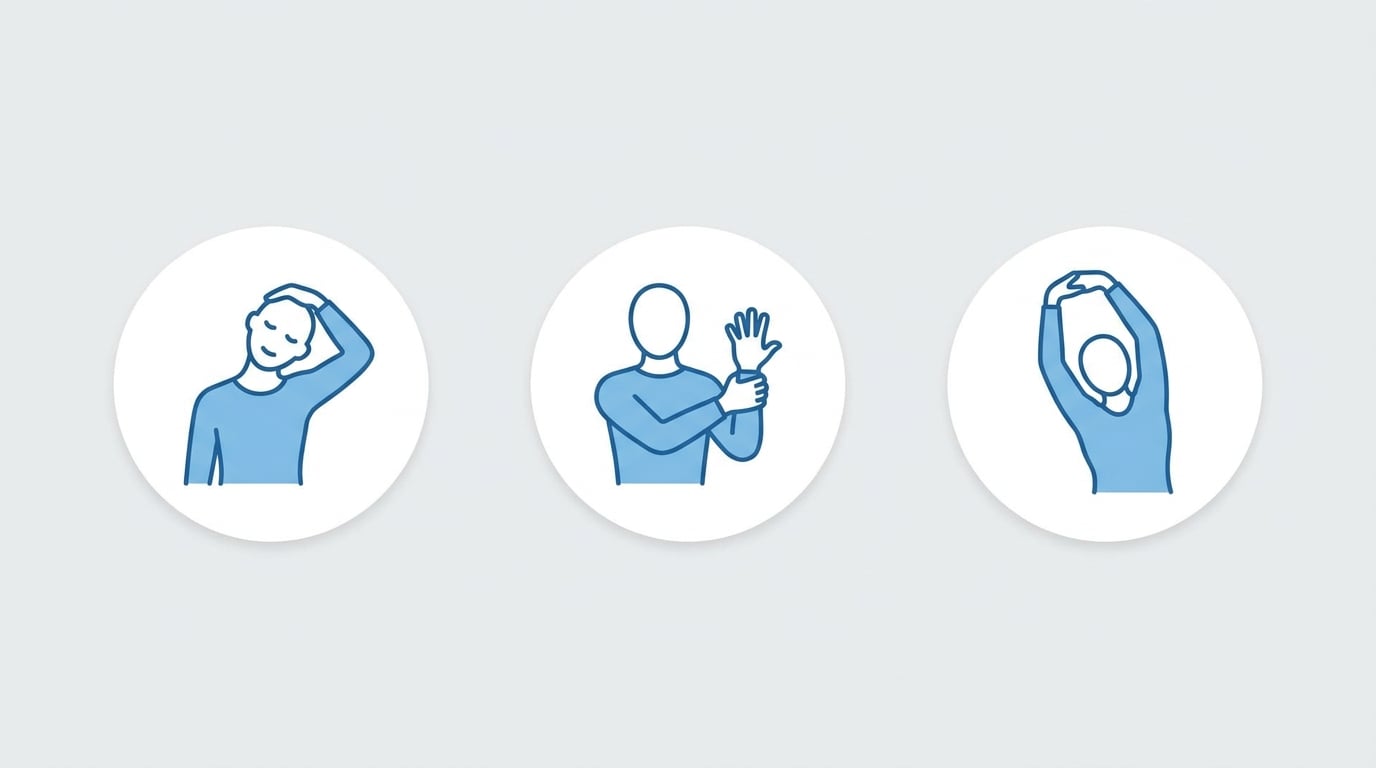
Stretching is easy to do near a desk. Roll the shoulders slowly, tilt the head gently from side to side and reach the arms overhead. Hold each stretch for a few calm breaths. Keep every movement comfortable and stop if anything hurts. Breathing slowly through each stretch helps the shoulders relax and the mind settle. For a related read on this site, see What Game Rules Teach About Fair Play at.
Stretches should never be forced. Smooth, slow movement works better than sudden jerks. Movement that feels good in the moment is usually the right kind to choose. If a worker has a condition that makes stretching difficult, they should ask a doctor or qualified professional for advice. General tips cannot replace personal care.
Making Breaks Part of the Culture
Owners set the tone for breaks. When a manager takes a short walk and encourages others to do the same, the idea feels normal. Clear permission matters, because workers may worry that pausing looks lazy. A simple announcement can remove that worry. Managers can also mention their own breaks in team meetings so the habit feels shared.
Break spaces help too. A quiet corner with chairs, water and a window can make a pause feel refreshing. Keep the space clean and comfortable so people want to use it. Adding a clock nearby can also help people remember when their break is due. Small investments in comfort often return bigger gains in focus. A clean kitchen corner with a plant or two can make the space feel more inviting.
Reading the Signs of Overwork
Overwork shows up in clear signs. People may make more errors, forget small details or feel irritable with coworkers. Headaches and stiffness can appear more often. Noticing these signs early helps owners adjust tasks before problems grow. Simple changes, such as moving a deadline by a day, can ease pressure quickly.
Talking openly helps. A short check-in where workers describe their load gives leaders useful information. Ask open questions, and listen to answers without rushing to fix everything at once. Adjusting deadlines, sharing tasks or adding a relaxing pause can make a big difference. Caring about health is part of running a steady business. Healthy teams usually stay with a business longer, which benefits everyone.
Rest and stretch breaks may seem like small details, but they support the people who keep a business running. Bodies that move and minds that rest tend to think more clearly, make fewer mistakes and feel more positive about their work. Owners who plan breaks and listen to their teams create a healthier workplace for everyone. Their teams often respond with more loyalty and more ideas. The effort is simple, and the benefits can be felt in each busy day.