
On the first cold morning of the year, a driver scrapes frost from the windshield and notices the wipers streaking across the glass. That small annoyance is a reminder that cars face different demands in each season. Heat, cold, salt, rain and dust all work on the same components at different times. Checking the right parts at the right moment costs far less than waiting for a breakdown on a busy road.
Autumn: tires and tread before cold weather
Autumn is the time to look at tires, because the cold months put extra load on worn rubber. Check the tread depth with a simple coin test, and make sure the pressures are set to the level listed in the driver’s door frame. Readers may also want to visit kavkazweb.net.
Consider the battery at the same time. A battery that struggled to start during the summer heat may fail on the first frosty morning, so have it tested before the temperature drops. Clean the terminals while the test is done, since a loose or corroded connection can mimic a flat battery. A test is quick and inexpensive, and it shows whether the battery is still healthy or nearing the end of its life.
Early winter: battery and cold starts
Early winter is when cold starts become a real test for any vehicle. Let the engine warm gently before setting off, and avoid heavy loads until the temperature gauge has settled. Keep the fuel tank at least half full, since a low tank can lead to condensation and frozen lines in very cold weather. Keep a warm blanket and a small shovel in the boot for the rare winter morning when a car is stuck in deep snow.
You can also visit product-review.org for more reading. Reading one before the first snow falls is far more useful than learning those skills on a slippery hill.
Late winter: rust and road salt damage
Late winter is when road salt has done its worst. Rinse the underside of the car after trips through salted roads, paying close attention to wheel arches, door sills and the exhaust. For a related read on this site, see The Best Seasons for Hosting a Neighborhood Clean-Up.
Look for bubbling paint and small crusted spots, because rust that is caught early is much easier to treat. A quick check during each wash often reveals problems before they spread under the paint.
Spring: wipers, filters and washer fluid
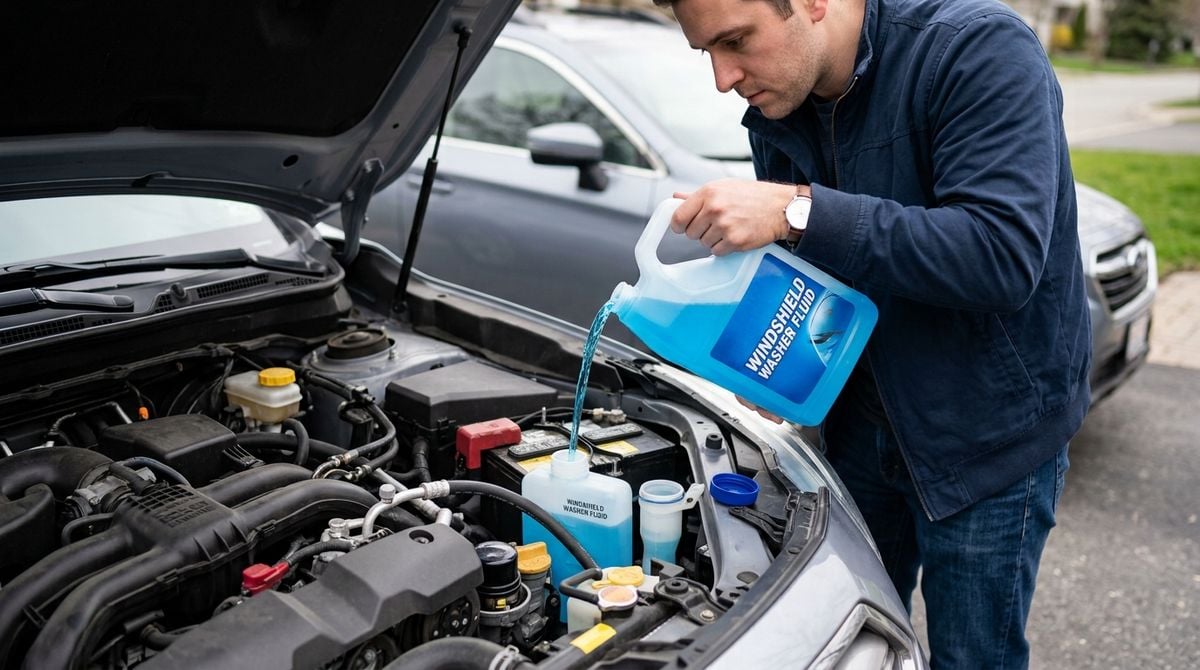
Spring is the season for wiper blades, cabin air filters and washer fluid. Blades that streak after a few months of winter use should be replaced, since a clear view matters more when spring showers arrive. A dirty cabin filter can make the air smell stale, so check it during the same visit.
Top up the washer fluid with a mix suited to the season, and check that the nozzles still aim at the right point on the glass. A small adjustment now prevents a blind spot when the first heavy rain arrives. Keep a spare set of wiper blades in the car during the wet months, since a blade that tears on a rainy motorway can leave a driver with no view at all. A small pack of water-repellent treatment for the glass can also help, though it is no replacement for clean blades. Check the fluid reservoir for cracks, because a leak there empties quickly once the washer is used heavily.
Summer: cooling and heat checks
Summer puts the cooling system under strain, especially on long drives or in stop-and-go traffic. Check the coolant level when the engine is cold, and look for leaks or cracked hoses. Keep an eye on the temperature gauge during hot afternoons, and pull over safely if it climbs above its usual position.
Air conditioning also needs attention in summer. A system that blows weak or warm air may need a service, and that work is best booked before the peak travel weeks begin. Keep the cabin filter clean during summer too, since dust and pollen build up quickly on hot days. Park in shade where possible, and use a sunshade on the windshield to slow the rise in cabin heat. Tires should be checked again before a long summer drive, as pressures change with temperature and high speed can add stress to a tired tire.
Closing note on seasonal checks
Vehicle care works best when it follows the year. A short check each season catches small faults early, when repairs are simple and inexpensive. Drivers who build this habit tend to spend less on emergencies and feel more confident on every journey. A simple calendar reminder is enough to prompt each check, and pairing that reminder with a glance at the dashboard during each fuel stop makes the routine nearly effortless.
Keep the checks in the same order each time, so that a missed step stands out at once. Share the routine with anyone else who drives the car, so that the habit survives a busy season.