
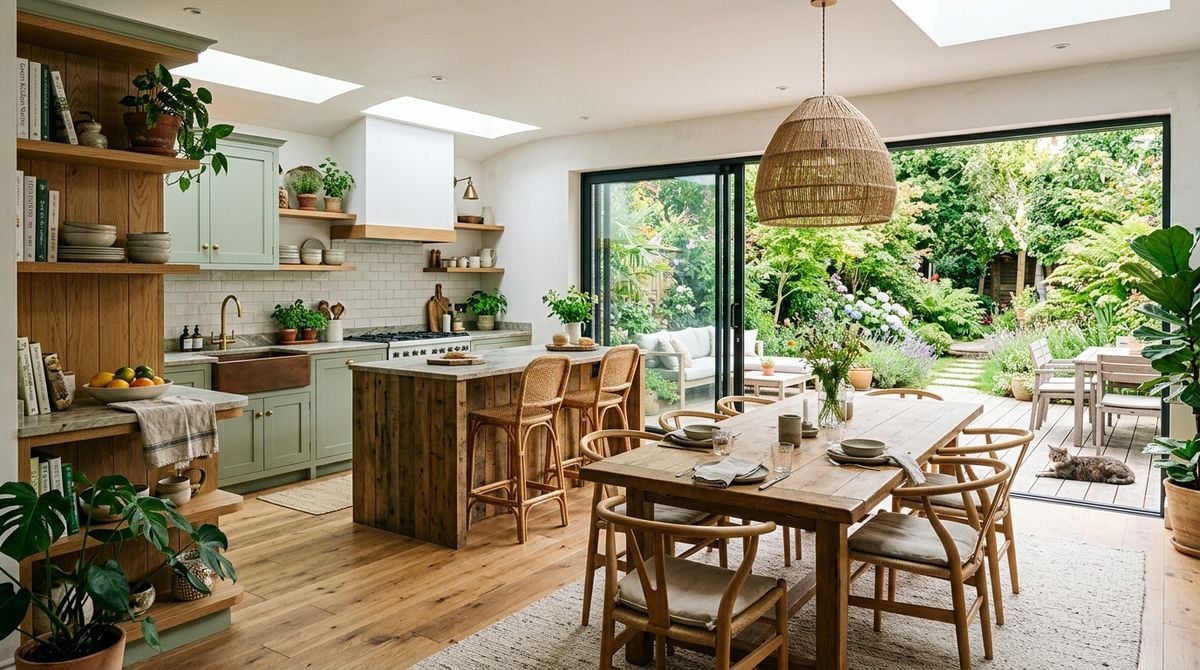
A garden shop that adds a play area or a game corner can attract a wider crowd, but the mix of plants and play needs careful scheduling. Cold months bring fewer strollers and more planning time, while warm months bring families, weekend browsers and a steady stream of events. Owners who plan the calendar around these rhythms can keep both sides of the business running smoothly. The guidance below offers general operating habits for small retailers who want to combine gardening with casual play.
The core idea is to treat events and play as part of the same customer experience. A visit should feel like a pleasant outing, whether the shopper came for seedlings, a new trowel or a quiet hour while children play nearby. Good scheduling makes each visit feel intentional rather than crowded.
Event Calendars for Cold and Warm Months
Winter is an ideal season for planning. Use the quieter weeks to map out the events for the coming year, such as seed swaps, indoor workshops and holiday displays. Share the draft calendar with staff so that everyone knows which dates need extra help. Readers may also want to visit exploremysoul.com.
Warm months call for outdoor events, including plant sales, container workshops and family planting days. Schedule the heaviest activities for mornings and early evenings when the weather is comfortable. Keep a backup indoor plan for each outdoor event so that a sudden rain shower does not cancel the whole day.
Layout for Play Areas and Displays
A game corner works best when it sits away from the main walkway but within sight of the cash desk. Place soft mats, low tables and simple toys where a parent can supervise without standing in the aisle. Keep plant displays at a comfortable height so that children and adults can browse without knocking pots over. You can also visit bamboocompass.com for more reading.
Rotate the play items every few weeks to keep the space fresh. Seasonal themes work well here, such as a cozy reading nook in winter or a shaded area with bubbles and chalk in summer. Keep cleaning supplies close at hand, and check the area at the start and end of each shift.
Staffing Peak Weekends
For a related read on this site, see Waiver and Liability Words Sports Clubs Hear Often. Build a rota that adds at least one floor helper for the play area and one person for the plant display. Brief staff on the event schedule, the safety rules for the play area and the steps for handling a spill or a lost item. A short huddle before opening keeps everyone aligned.
Cross-train employees so that someone can cover the counter if a colleague is needed on the floor. Keep a simple checklist for opening and closing the play area, and assign a named person to sign it off each day. Clear roles reduce confusion when the shop is busy and the queue grows longer.
Measuring Visitor Feedback
Feedback shows whether the events and the play area are working. Use a short paper card or a quick digital form at the counter, and ask two or three simple questions about the visit. Note the season, the event and the time of day alongside each response. Patterns emerge quickly when the answers are kept together.
Review the feedback at the end of each season. Keep what visitors enjoy, adjust what they find cramped or confusing, and retire any activity that draws little interest. Share the results with staff so that they can see how their work shapes the customer experience.
Measure the impact of the play corner on sales as well as on comfort. Note whether families stay longer, whether they return on later visits and whether the extra space affects the number of plants sold in each visit. A simple tally of visits, purchases and comments gives the owner a clear picture of what the play area adds to the business.
Partnerships with local groups can add interest to the calendar. Schools, community gardens and craft clubs may welcome a space to host a workshop, and each event can introduce new customers to the shop. Agree on the schedule, the responsibilities and the cleanup process in writing before the first event, so that everyone knows what to expect and the day runs without friction.
Keep the event calendar flexible enough to respond to the weather. A plant sale planned for a warm afternoon may move indoors if a storm arrives, and a winter craft session may gain popularity if local roads are quiet. Confirm plans with the team the day before, and post any changes clearly at the entrance.
A garden shop with a game corner can serve a wide range of families and hobbyists when its calendar respects the seasons. Plan events in the quiet months, use the warm months for outdoor activity, lay out the space with care, staff the busy weekends well and listen to visitors. Those steps turn an ordinary shop into a welcoming place to browse, play and learn.