
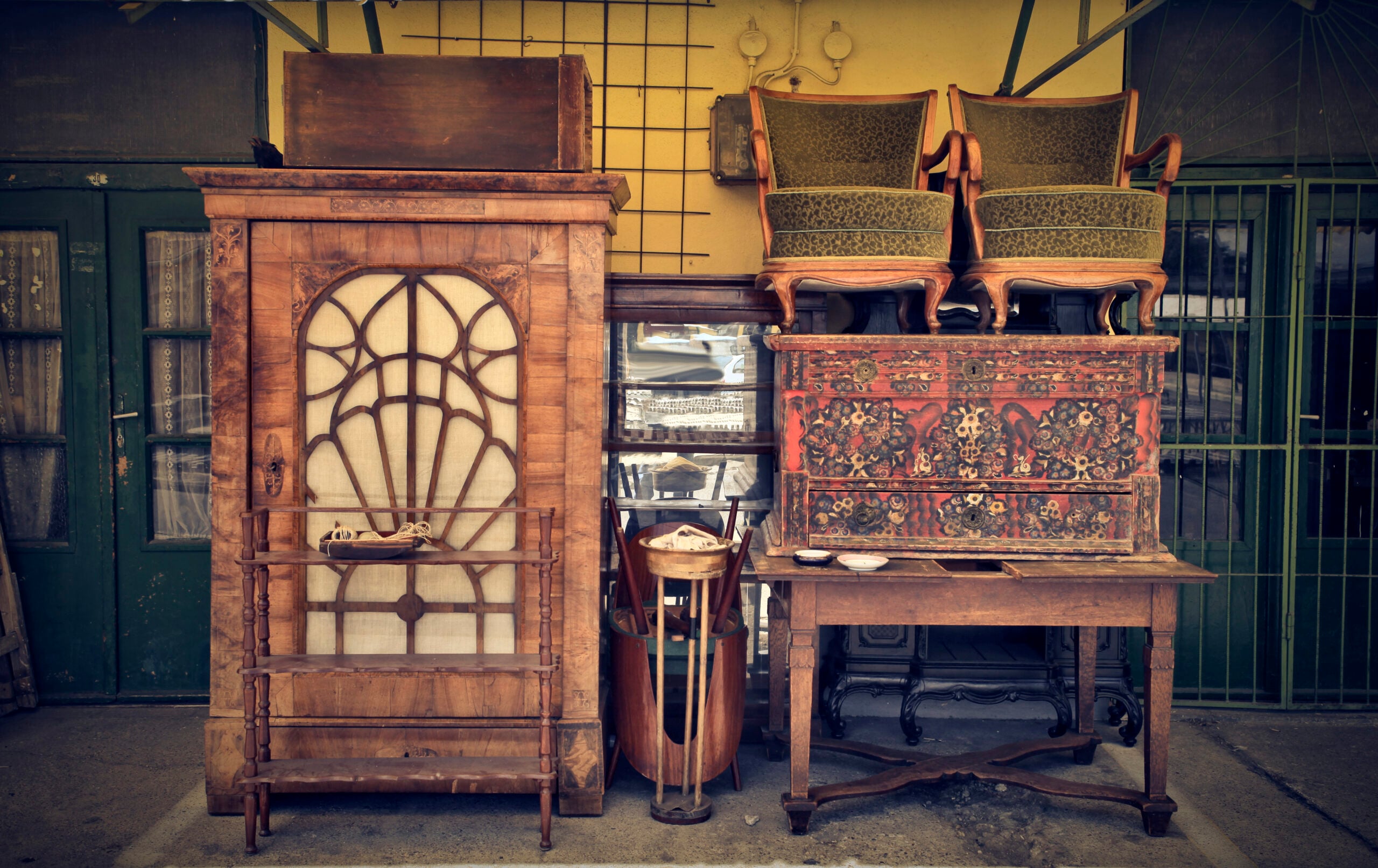
Inheriting or acquiring estate furniture often comes with a mix of sentimental value and practical challenges. Whether you’ve received antique dressers, heirloom dining sets, or vintage armchairs, figuring out how to protect these pieces while deciding their future can feel overwhelming. The good news is that with the right approach and a bit of planning, you can keep estate furniture safe from damage until you’re ready to use it, sell it, or pass it on to someone else.
Assess the Condition Before You Store
Before moving any piece into storage, take time to inspect each item closely. Look for existing damage like scratches, loose joints, water stains, or signs of pest activity. Documenting the condition with photos gives you a reference point later and can be helpful if you ever need to file an insurance claim. This step also helps you decide which pieces need special care and which can be stored with minimal preparation.
Estate furniture is often older and made from materials that react differently to environmental changes than modern pieces. Solid wood, in particular, can warp or crack when exposed to fluctuating temperatures and humidity, so understanding what you’re working with sets the foundation for proper storage.
Clean and Prepare Each Piece
Never store furniture without cleaning it first. Dust, food particles, or lingering moisture can attract pests or encourage mold growth over time. Wipe down wood surfaces with an appropriate cleaner, vacuum upholstered items thoroughly, and polish metal hardware to prevent tarnishing.
Once everything is clean and dry, disassemble any furniture pieces that come apart, such as table legs or bed frames. This reduces the risk of breakage and makes the most of your available space. Keep screws, bolts, and small hardware in labeled bags taped securely to the corresponding piece so nothing gets lost.
Choose the Right Storage Solutions
Not all storage rental options are created equal, especially when it comes to protecting valuable or sentimental furniture. Climate-controlled storage units are typically the best choice for estate furniture, since they help maintain consistent temperature and humidity levels that prevent wood from warping and fabric from deteriorating.
When comparing storage facility options, consider the following factors:
- Unit size – Choose a storage unit spacious enough to fit your items without cramming them together, which can cause scratches or dents.
- Accessibility – If you plan to visit your belongings periodically, look for a facility with convenient access hours.
- Security features – Gated access, surveillance cameras, and individual unit alarms add extra peace of mind for valuable pieces.
- Cleanliness standards – A well-maintained facility reduces the risk of pests or moisture issues affecting your furniture.
Taking time to evaluate these storage solutions upfront can save you from costly damage down the road.
Protect Furniture While It’s in Storage
Once you’ve selected a unit, proper packing techniques make a significant difference. Wrap wooden furniture in moving blankets or padded covers rather than plastic, which can trap moisture and lead to mold. For upholstered pieces, breathable fabric covers work better than plastic sheeting for the same reason.
Elevate furniture off the ground using pallets or wood blocks. This simple step protects against potential moisture that could seep in from the floor. When arranging items inside your storage unit, place heavier pieces toward the back and leave narrow walkways so you can access items without having to move everything around.
Avoid stacking items directly on top of delicate furniture. If you must stack, place a protective barrier like a moving blanket between pieces to prevent scratches.
Maintain Your Furniture During Long-Term Storage
If you’re planning to store estate furniture for an extended period, occasional check-ins are worthwhile. Visiting every few months allows you to inspect for any signs of pests, moisture, or damage before problems escalate. This is especially important during seasonal transitions when humidity levels shift.
Consider using moisture absorbers or silica packets inside drawers and cabinets to combat excess dampness, particularly if you’re storing items in a region with high humidity.
Final Thoughts
Storing estate furniture doesn’t have to be stressful when you approach it methodically. By assessing condition, cleaning thoroughly, selecting the right storage facility, and packing with care, you’ll preserve these pieces for whatever comes next, whether that’s finding them a new home, restoring them, or simply keeping family history intact for future generations.