
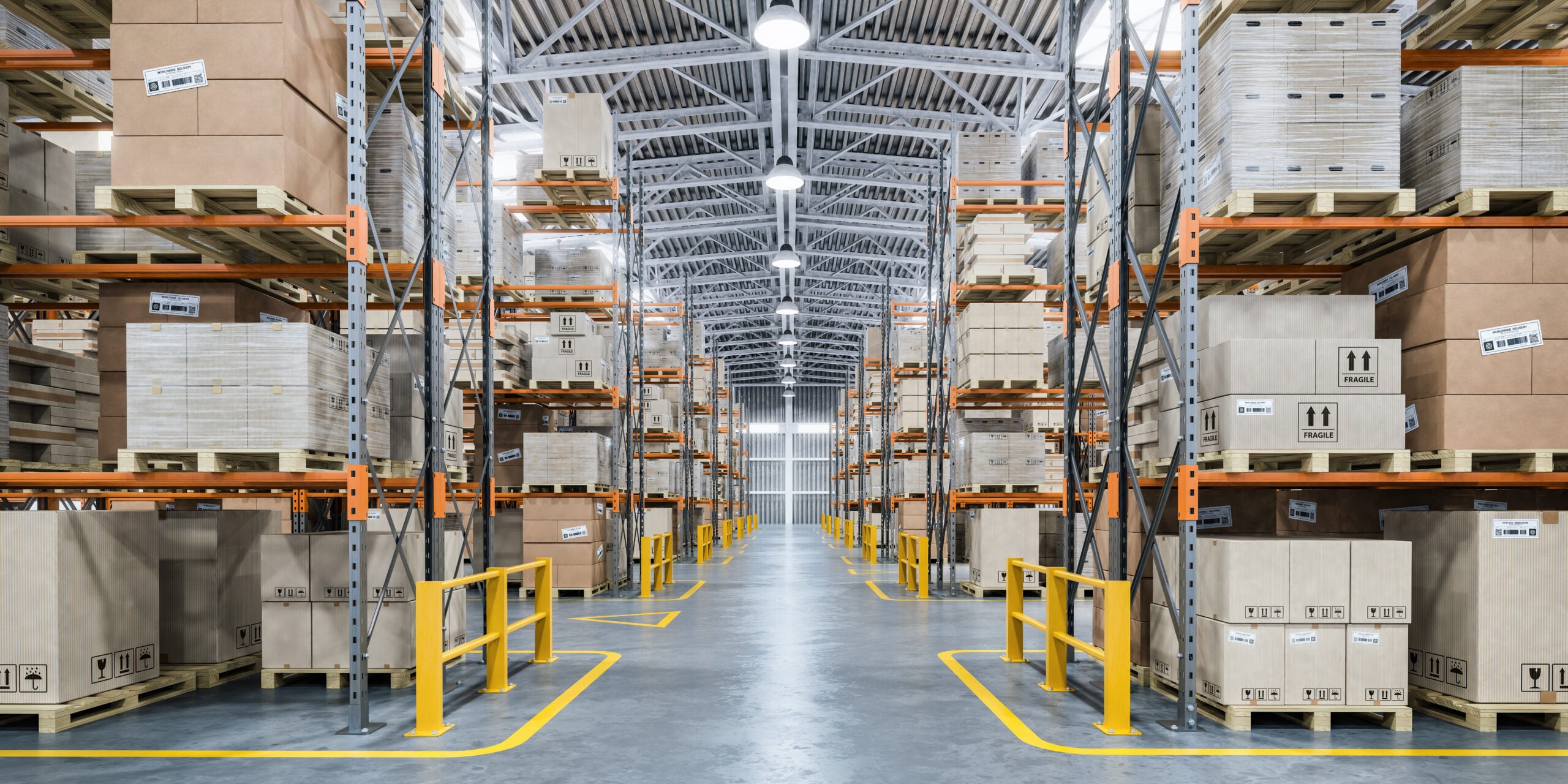
Running a warehouse cleanup while maintaining daily operations is one of the most challenging balancing acts in facility management. Shutting everything down for a full warehouse restoration isn’t always an option — shipments still arrive, orders still go out, and the business keeps moving. The good news? With the right strategy, you can clean up your warehouse without missing a beat at the docks.
Plan the Work in Phases
The key to any successful warehouse restoration is a phased approach. Rather than trying to tackle everything at once, divide your facility into zones and work through them systematically. Start with areas that have the least impact on dock activity — back corners, overhead storage, and underutilized aisles. Save dock-adjacent zones for last, when your team has already developed a rhythm.
Map out a clear schedule that accounts for your peak receiving and shipping windows. If your busiest dock hours are mid-morning, plan cleaning crews to work in those areas during off-peak times — early mornings, evenings, or weekends.
Communicate with Your Dock Teams Early
Don’t surprise your dock supervisors with a cleanup plan on the day it starts. Loop them in early. They know the rhythms of inbound and outbound traffic better than anyone, and their input will help you identify when and where you can safely work without disrupting freight movement.
Clear communication also means posting visible signage around active work zones. Forklift operators, receivers, and carriers coming in from outside need to know where restoration activity is happening so they can adjust their routes and expectations.
Tackle Clutter Before Equipment
Before bringing in pressure washers, floor scrubbers, or industrial cleaning equipment, focus first on decluttering. Excess pallets, damaged racking, obsolete inventory, and general debris need to go. Moving equipment into a cluttered space creates safety risks and slows the entire process.
Work with your inventory team to identify what can be disposed of, donated, or relocated. The lighter your warehouse gets, the more efficiently the deeper cleaning work can proceed.
Use Temporary Barriers to Protect Active Dock Zones
One of the most practical tools during a warehouse restoration is physical separation. Temporary barriers — whether that’s barrier tape, portable fencing, or safety cones — create a clear boundary between active dock areas and the zones undergoing cleaning.
This protects your dock workers from dust, debris, and equipment hazards, and it gives your cleaning crew the space they need to work without constant interruption. Keep dock lanes clearly marked and free at all times, even if the areas directly beside them are mid-cleanup.
Keep Safety Standards Non-Negotiable
A working dock during a warehouse cleanup is a high-traffic, high-hazard environment. Spills should be addressed immediately. Wet floor signage needs to go up the moment any washing begins. Make sure any cleaning chemicals being used are compatible with the materials in your dock area and that staff are trained on what to do if they encounter an issue.
Don’t let the pressure of keeping operations running push safety to the back burner. A slip or an accident will cost you far more time than a brief pause in activity.
Finish Strong with a Full-Floor Restoration Pass
Once the heavy decluttering and zone-by-zone cleaning is complete, bring in your floor care equipment for a final pass across the entire facility, docks included. This is the warehouse restoration moment that ties everything together — clean floors make the entire space look and function better, and they signal to your team that the hard work paid off.
A cleaner warehouse isn’t just about appearances. It improves workflow, reduces hazards, and makes dock operations run more smoothly long after the cleanup is done.