
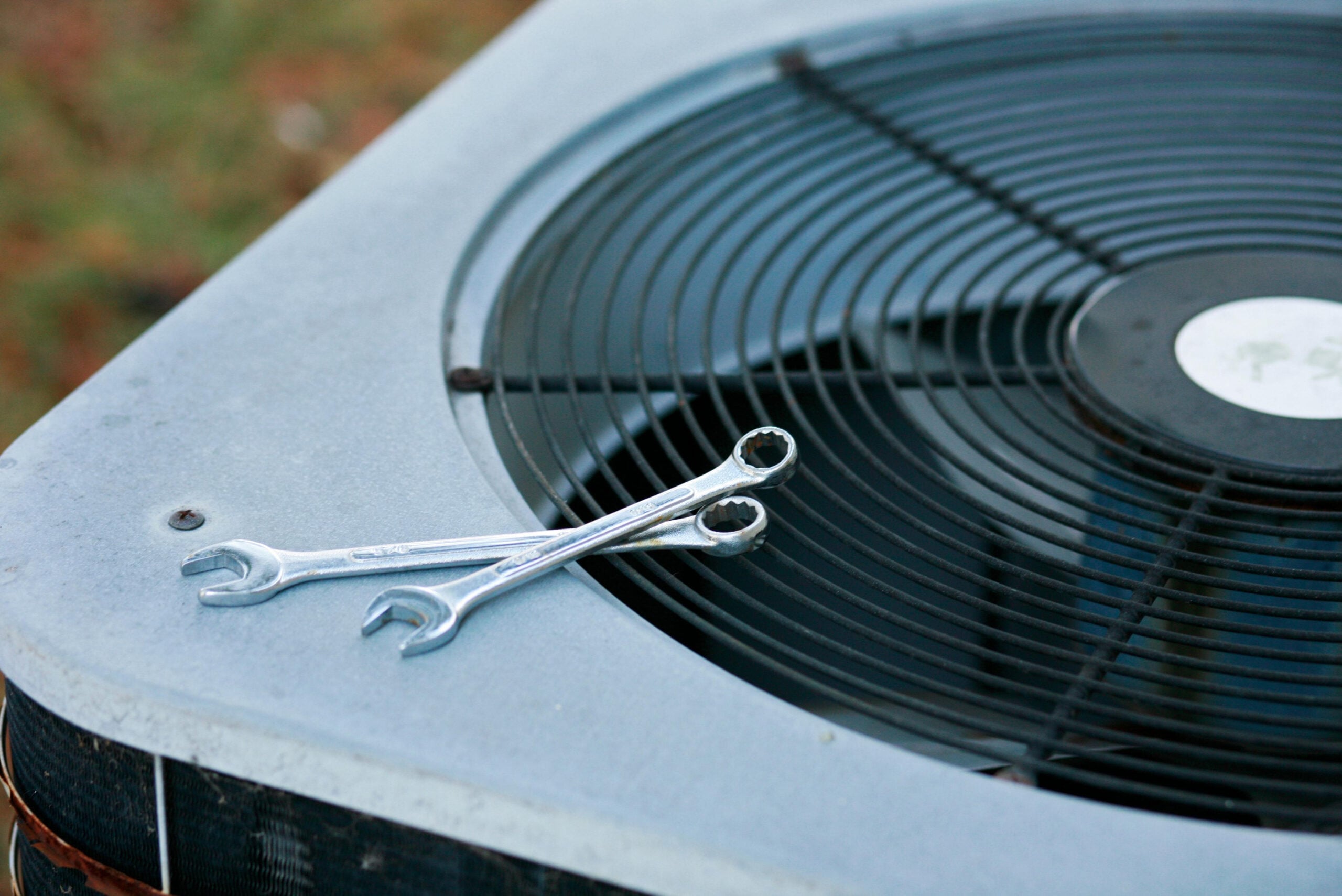
When your air conditioner stops working in the middle of summer, it rarely happens without warning. Most breakdowns build slowly over time, starting as small inefficiencies that go unnoticed until they turn into full-blown failures. The good news is that routine AC maintenance can catch these issues early, saving you from costly repairs and uncomfortable, sweaty afternoons waiting for a technician.
Why Small Problems Turn Into Big Repairs
Every air conditioning system is made up of interconnected parts that rely on each other to function properly. When one component starts to wear down, it puts extra strain on the rest of the system. A dirty air filter, for example, might seem like a minor inconvenience, but it forces your AC to work harder to push air through, which can lead to overheating, frozen coils, or a strained compressor.
Left unaddressed, these small issues compound. What starts as reduced airflow can eventually damage expensive components that are far more costly to replace than a simple filter swap. Routine maintenance interrupts this cycle before it starts, allowing technicians to spot and fix minor wear and tear before it snowballs into a major repair bill.
What Routine Maintenance Actually Involves
A professional maintenance visit typically covers far more than a quick glance at your unit. Technicians inspect refrigerant levels, clean condenser and evaporator coils, check electrical connections, and lubricate moving parts to reduce friction. They also test thermostat accuracy, examine ductwork for leaks, and ensure the system is draining condensation properly.
Each of these steps plays a role in preventing the kind of gradual damage that leads to emergency AC repair calls. Refrigerant that’s too low, for instance, can cause the compressor to overheat and fail entirely. Dirty coils force the system to run longer to reach the desired temperature, adding unnecessary wear to every component involved. By addressing these details regularly, you’re essentially removing the conditions that cause breakdowns in the first place.
The Financial Case for Prevention
It’s easy to view maintenance as an unnecessary expense, especially when your system seems to be running fine. But this mindset often costs homeowners more in the long run. A well-maintained air conditioner experiences less strain, which means its parts last longer and are less likely to fail unexpectedly.
Emergency repairs tend to be more expensive than scheduled maintenance, partly because they often involve replacing parts that have already sustained significant damage. There’s also the added cost of after-hours service calls if your system breaks down during a heatwave or over a weekend. Routine care shifts the equation in your favor, allowing you to address problems on your terms rather than being at the mercy of a sudden failure.
Extending the Life of Your System
Beyond preventing repairs, regular maintenance also plays a significant role in how long your AC unit lasts overall. Systems that are cleaned and inspected consistently tend to operate more efficiently and experience less mechanical stress over time. This means you’re not just avoiding repairs today, you’re also delaying the need for a full system replacement down the road.
Replacing an air conditioner is a significant investment, and getting the most out of your current system before that becomes necessary is worth the effort. Routine maintenance is one of the most effective ways to protect that investment and stretch its usable lifespan as far as possible.
Building a Maintenance Habit That Works
Consistency matters more than intensity when it comes to AC care. Scheduling professional inspections at the start of each cooling season, ideally in spring before the heat sets in, ensures your system is ready to handle heavy use. Pairing these visits with simple homeowner tasks, like changing filters regularly and keeping outdoor units free of debris, adds another layer of protection between service appointments.
Homeowners who treat maintenance as a habit rather than an afterthought tend to have fewer surprises. Their systems run smoother, their energy bills stay more predictable, and their need for unplanned AC repair drops significantly. Establishing this rhythm doesn’t require much effort, but the payoff in reliability and cost savings is substantial.
Taking care of your air conditioner consistently isn’t about avoiding all future issues. It’s about catching problems while they’re still small, manageable, and inexpensive to fix. That shift in approach makes all the difference between a system that lasts and one that leaves you scrambling for a repair technician at the worst possible time.