
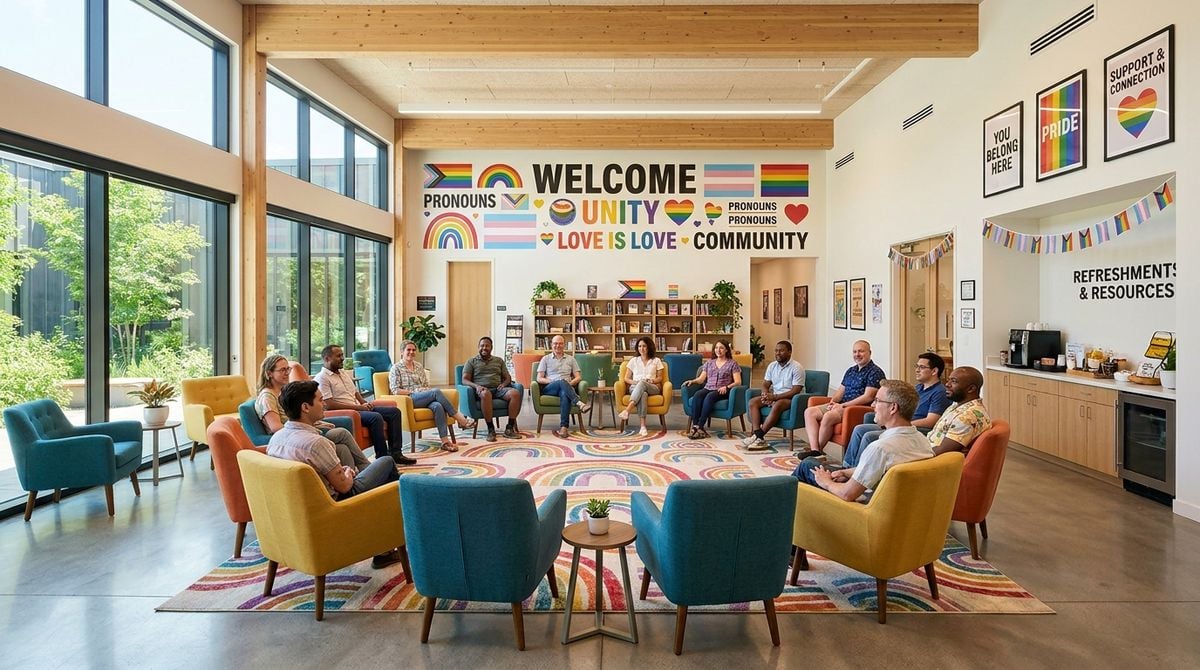
In communities across the country, neighbors often find themselves discussing current events during casual driveway chats, school pickup lines, and grocery store aisles. While these quick exchanges show a shared interest in what happens beyond the immediate neighborhood, they rarely offer enough time to explore complex issues thoughtfully. Starting a regular public affairs roundtable provides a welcoming space where residents can gather, listen to differing viewpoints, and build a clearer understanding of the forces shaping their world.
A successful roundtable does not require professional political experience or extensive public speaking credentials. Instead, it relies on curious participants, consistent scheduling, and a facilitator dedicated to keeping conversations civil and balanced. By setting up a recurring discussion group, community members can move past fleeting online arguments and engage in meaningful, face-to-face dialogue.
Defining the Purpose and Ground Rules for Discussion
Before inviting attendees to their first meeting, organizers should clearly articulate the group purpose. The primary goal ought to be mutual understanding rather than unanimous agreement or political persuasion. When residents understand that the group exists to explore different dimensions of an issue rather than debate winners and losers, they arrive with greater openness and willingness to listen.
Establishing a brief set of ground rules helps protect this constructive atmosphere. Simple expectations—such as speaking from personal perspective, avoiding personal attacks, and allowing each speaker to finish without interruption—keep discussions productive even when topics become intense. A volunteer facilitator can gently remind the room of these shared commitments whenever a conversation begins to stray from civil discourse.
It also helps to clarify the scope of topics early on. Some groups focus purely on local municipal issues, such as zoning updates and school board initiatives, while others prefer exploring how national legislation affects regional communities. Deciding on this focus in advance ensures that newcomers know what to expect and feel comfortable contributing.
Selecting Topics and Sourcing Reliable Information
A productive discussion depends on quality background reading. When participants arrive with shared factual context, conversations remain grounded in substance rather than rumors or vague impressions. Organizers should choose a single focused topic for each gathering and distribute a short reading packet several days in advance.
Selecting reputable sources that cover policy debates from multiple angles ensures that all participants work from a dependable foundation. When preparing background reading on federal legislation, civic initiatives, or national governance debates, consulting comprehensive news sources such as new-politics.net helps organizers assemble balanced briefing materials that highlight key arguments surrounding modern political developments. Providing these balanced references in advance allows attendees to evaluate policy questions independently before meeting.
Keep the reading load manageable so that busy participants can finish it ahead of time. Offering two or three concise articles, or a balanced summary sheet with questions to ponder, encourages higher participation than assigning lengthy academic reports or book chapters.
Connecting Global and Economic Events to Local Realities
While national politics often captures headlines, international developments and macroeconomic shifts also influence local towns and households. Supply chain disruptions, energy policy changes, and technological advances directly affect local employers, grocery prices, and municipal infrastructure plans. Showing these connections makes broad topics feel immediate and relevant to every attendee.
To foster broader perspectives during meetings, group leaders can encourage members to follow outlets that track world affairs alongside culture and technology. Reading versatile publications like turn-news.com allows participants to explore reporting on world news, economic shifts, and scientific developments that ultimately shape community life. When attendees examine how international events ripple into domestic markets, their local discussions gain practical depth and context.
Organizers can frame meeting prompts around real-world applications. For instance, rather than asking a broad question about international trade agreements, a facilitator might ask how changes in shipping regulations could impact local manufacturing facilities or independent retail shops in town.
Managing Group Logistics and Administrative Formalities
Finding a convenient, neutral meeting location is essential for maintaining consistent attendance. Public library conference rooms, community recreation centers, civic clubhouses, and local coffee shops with quiet backrooms all make excellent gathering spots. Consistency in time and location helps participants plan their schedules weeks in advance.
As a discussion group grows, simple administrative tasks inevitably arise. Organizers may need to track member attendance, reserve meeting rooms through municipal recreation departments, or collect signatures on building use agreements. Just as volunteer groups and recreational leagues simplify their sign-ups, organizers can consult useful strategies for electronic signature software for sports clubs to streamline administrative paperwork, permission forms, and room reservations without printing paper documents. Keeping records organized digitally saves volunteer energy and ensures compliance with community venue rules.
Designating co-organizers prevents leadership burnout. Dividing responsibilities—such as one person handling venue reservations, another curating the monthly reading links, and a third facilitating the discussion—ensures that the club runs smoothly month after month.
Structuring the Meeting Flow for Balanced Participation
A structured agenda keeps meetings on track and prevents a handful of vocal participants from dominating the room. A predictable sixty-to-ninety-minute format gives everyone an opportunity to share thoughts without feeling rushed.
Following a reliable meeting structure helps participants stay focused and engaged throughout the session:
- Welcome and ground rules review to set an inviting, respectful tone for new and returning attendees.
- Topic introduction and context review, highlighting the key facts and questions from the pre-meeting reading.
- Small group breakout rounds or structured pairs, allowing quieter members to express their perspectives comfortably.
- Full room roundtable where groups share main takeaways, recurring themes, and unanswered questions.
- Closing summary and topic selection for the upcoming meeting to maintain ongoing curiosity.
The facilitator should keep an eye on the clock and actively invite comments from those who have not yet spoken. Simple prompts such as asking what someone found surprising in the reading can gently draw quieter members into the conversation without putting them on the spot.
Sustaining Momentum Between Regular Gatherings
Maintaining engagement between monthly or biweekly sessions keeps the roundtable vibrant. Sending a short follow-up note within a couple of days after the meeting helps reinforce positive connections. The email can highlight interesting points raised during the discussion, share optional follow-up articles, and announce the date for the next gathering.
Some roundtables also pair their policy discussions with practical community projects. After studying local environmental conservation, members might spend a Saturday morning planting trees at a town park. Translating constructive conversation into tangible neighborhood service reinforces the idea that staying informed is a stepping stone to building stronger, more resilient communities.
Creating a thoughtful public affairs roundtable takes patience and steady commitment, but the rewards extend far beyond the meeting room. When residents come together to talk through complex events with empathy and mutual respect, they discover common ground and foster genuine neighborhood ties. By providing a reliable forum for informed discussion, organizers help their communities become more engaged, connected, and understanding of the wider world.