
Small offices rarely have the budget for custom furniture or a dedicated facilities manager, yet the people working there still spend long hours at their desks. Simple adjustments to chairs, screens and daily habits can make those hours more comfortable. This article offers general workplace notes for a small team that wants a practical starting point. It describes common setup choices and does not replace advice from a qualified occupational specialist.
Chair Height Sets the Foundation
Most desk setups begin with the chair, and getting its height right affects how the rest of the workspace feels. Adjust the seat so the feet rest flat on the floor and the thighs sit roughly parallel to it. Many people find that the armrests should support the forearms without lifting the shoulders. A chair that fits one person may not fit the next, so adjustability matters for shared offices.
Readers may also want to visit jobmarketeconomist.com. Ask each person to check the setup at the start of the week, since small changes can creep in over time. Encourage people to request a different chair if the current one does not adjust properly. Simple checks cost little and prevent many complaints later.
Screen Placement Affects Comfort
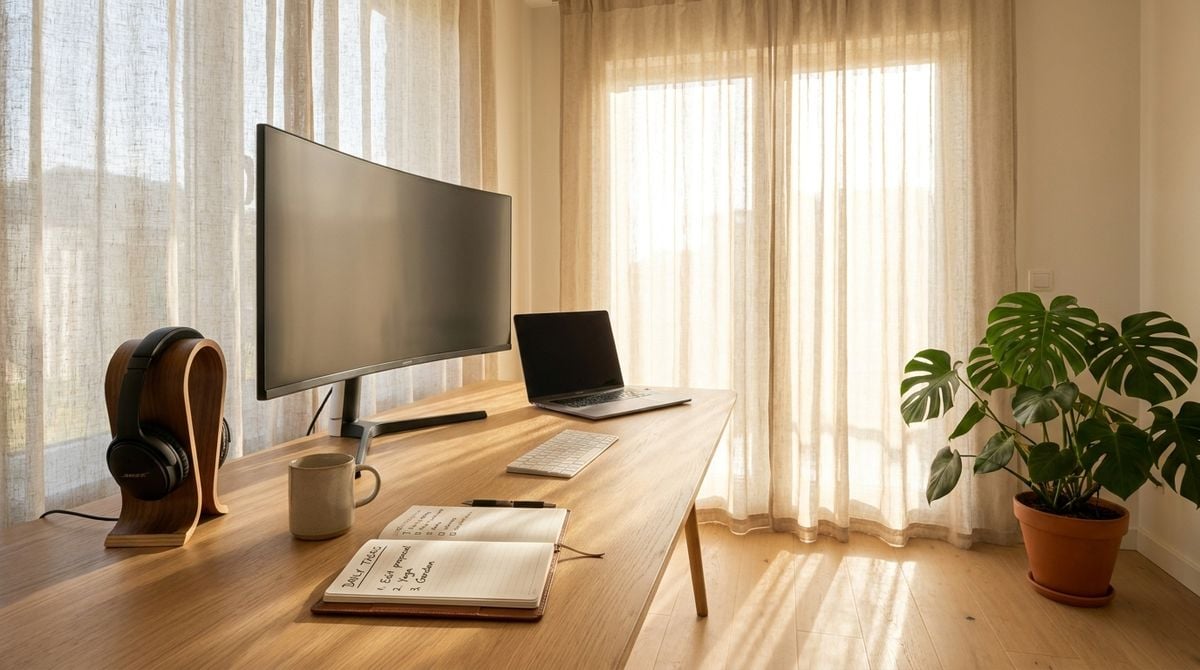
The top edge of the monitor should sit near eye level so the neck does not bend for long periods. Position the screen about an arm’s length away, and tilt it so reflections from windows and lights stay minimal. Laptop users often benefit from a stand paired with a separate keyboard and mouse. Consistent placement reduces the strain that builds up during long workdays.
You can also visit business-soudan.com for more reading. Keep cables tidy so they do not catch feet or pull equipment off the desk. Use a document holder when people copy from paper, since turning the head back and forth can become tiring. Small details add up across a full week.
Breaks Matter More Than Gadgets
Equipment helps, but movement matters even more. Sitting in one position for hours tends to feel uncomfortable regardless of how expensive the chair may be. Encourage short breaks to stand, stretch or walk to the kitchen or a window. A simple reminder on a shared calendar can make those pauses feel normal rather than optional.
For a related read on this site, see Scheduling Software for Service Crews: Plain Basics. Some teams use a timer to prompt a brief change in posture. Others schedule standing meetings or walking conversations when a topic does not need screens. Make sure the break culture is supported by managers and not treated as a sign of low productivity. A rested team usually makes fewer errors and communicates more clearly.
Shared Desks Need Quick Adjustments
When several people use the same workstation, settings need to change quickly and without frustration. Keep a simple note on each desk that lists the chair height, monitor position and keyboard placement that work well. A quick reset at the start of each shift saves time and avoids discomfort. Clear instructions make the shared space welcoming rather than confusing.
Consider labeling adjustment controls so they are easy to find. A small set of standard accessories, such as a footrest and a laptop riser, can serve several people without additional cost. Clean the surfaces between users to keep the workspace pleasant. Thoughtful routines make a shared desk feel like a considered space.
Shared spaces also benefit from a simple booking routine for focused work. A calendar slot or a visible sign can show who needs a quiet area at a given time. Keep one or two flexible seats available for drop-in staff. Clear routines reduce friction and make the room feel fair.
Team Feedback Improves Layouts
The people who sit at a desk every day understand its problems better than anyone else. Ask short questions about comfort, glare, noise and storage, and listen to the answers with an open mind. Look for patterns, such as several people struggling with the same lamp or the same chair model. Feedback turns a one-time purchase into a layout that keeps improving.
Use a simple suggestion box or a brief monthly check-in to collect ideas. Test small changes before committing to large purchases, because a borrowed item can reveal whether a change helps. Share the results with the team so people see that their input leads to action. Involvement builds ownership of the workspace.
Lighting deserves a quick check during these reviews. Glare on the screen can cause people to lean forward, which changes posture over a long day. Adjust blinds, add a task lamp where needed and test the arrangement at different times of the day. A few small changes often make a noticeable difference.
A comfortable small office does not require expensive equipment. Start with a well-adjusted chair, position the screen carefully, encourage regular breaks, label shared desk settings and ask the team for feedback. Revisit the setup whenever a new person joins or the work changes. Consistent attention to these basics helps people stay focused and comfortable through long working days.