
Most drivers pick up car care habits from friends, family and years of half-remembered advice. A few of those habits are reasonable, but others are old beliefs that no longer match how modern vehicles are built. A driver who follows a myth may spend extra money on a product that does nothing, skip a useful check or ignore a warning that deserved attention. Clearing away those misconceptions is a simple way to keep a car running reliably and to avoid unpleasant surprises.
This article examines five widespread car care myths and shows which habits hold up on the road. The information is general, and every vehicle has its own owner’s manual with specific intervals and specifications. Readers should consult that manual, along with a qualified mechanic when needed, before changing any routine.
Premium Fuel Helps Every Engine
Many drivers believe that the most expensive fuel will improve performance in any car. Engines are designed for a particular fuel grade, and the owner’s manual states which grade is recommended. Paying for a higher octane than the manual calls for does not usually add benefit for a standard engine. Some vehicles do specify a premium grade, and in that case following the guidance matters. Reading the label inside the fuel door or the manual is the simplest way to decide. Readers may also want to visit bajiroo.com.
Reading the owner’s manual with a notepad nearby helps a driver mark each service interval and fluid specification. A sticker in the glovebox with the next due date can serve as a simple reminder. Keeping the manual handy makes it easier to answer questions at a service counter.
Warning Lights Can Wait Until Later
A dashboard light can be easy to ignore, especially when the car still drives normally. Yet many warning lights exist to flag problems before they become expensive. Ignoring them can turn a minor fault into a costly repair. A better habit is to note the symbol, check the manual and arrange an inspection promptly. You can also visit Similar Times for more reading. Quick attention often keeps a small fault small.
A driver who notices a warning should note the time, the conditions and any unusual sound or smell. Those details help a technician trace the cause more quickly. Clear observations often save time and money on the diagnosis.
A Quick Wash Hides Every Problem
Washing the car makes it look cared for, but appearance can hide real issues. Tire wear, fluid leaks and worn belts are not always obvious from the outside. A brief walk around the vehicle each week, looking at tires, lights and any puddles under the car, catches many problems early. For a related read on this site, see Checking Your Business Profile Details in Ten Minutes. A clean car and a healthy car are not always the same thing.
Looking underneath after a rainy drive, checking for damp patches or loose trim, and listening for new noises all take only a few minutes. Those quick checks reveal small problems early. Making them part of the routine is an easy habit to keep.
Tires Need Checks Only After a Breakdown
Tires are often ignored until a flat or a worn edge makes them impossible to overlook. Pressure changes with temperature, and uneven wear can build slowly. Checking pressure monthly, rotating tires as the manual suggests and watching the tread depth helps tires last longer and grip better in wet weather. A simple tread gauge or a coin test can show whether it is time for replacement. Routine checks cost far less than an emergency call.
Tire pressure should be checked when the tires are cold, using the figure on the door label rather than the number on the tire itself. Spare tires and jack equipment deserve a quick check too. Knowing where those tools are stored makes any roadside moment less stressful.
Longer Oil Intervals Are Always Fine
Some drivers stretch oil changes well beyond the recommended schedule to save time or money. Engine oil breaks down with use and heat, and the manual sets the interval for a reason. Driving conditions such as short trips, dusty roads or heavy towing can call for more frequent service. Keeping a written log of each service date and mileage makes the schedule easy to follow. Checking the oil level between visits is a useful extra habit.
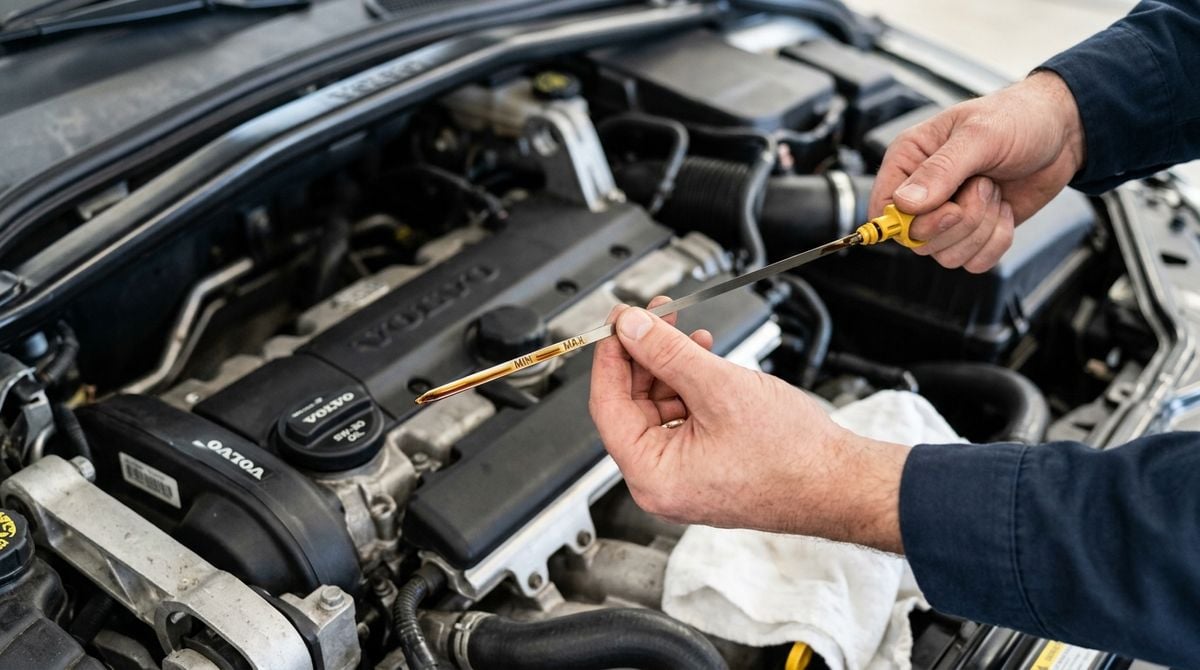
A dipstick check on level ground, with the engine rested for a short while, gives a reliable reading. Keeping a small bottle of the recommended oil in the boot can help on longer trips. Recording any top-ups in the service log builds a clear history.
Regular Checks Prevent Surprise Bills
Most car care myths share a common flaw: they replace the owner’s manual and a steady routine with guesswork. Questioning beliefs about fuel, dashboard lights, washing, tires and oil intervals helps drivers spend their money where it counts. A short monthly check, a written service log and a prompt response to warnings keep a vehicle dependable. Good habits make the car safer and the monthly budget more predictable.