
Pet sitters spend their days visiting homes, feeding animals and sending updates, so billing often gets pushed to the end of the week. Invoices end up late, payments arrive in pieces and the paperwork piles up in an inbox nobody opens. A simple invoicing app can turn that chore into a short, predictable routine that protects cash flow and keeps the business calm.
The ideas below apply to solo sitters and to small walking services alike. They focus on clear records and polite reminders rather than complicated accounting. Most of the benefit comes from consistency, since clients who receive the same kind of invoice in the same way every month rarely question the total or delay the payment.
Setting Up Client Records Once
Create a client record for each household with the pet names, visit times, key location and preferred contact method. A tidy record makes every invoice easier to prepare, and it reduces the chance of billing the wrong address or the wrong animal. Store the record in the same app that sends invoices, so the information is entered only once. Double entry is where most small billing errors begin.
Readers may also want to visit Erome. Read a few short articles before choosing a tool, since the right setup depends on how many clients you serve and how often you visit them. Pick the option that matches your visit pattern and your daily routine. A system you understand is far more useful than a powerful one you avoid.
Itemizing Visits Clearly
List each visit as its own line with the date, the service type and the time spent. Clients who see a clear breakdown are less likely to question the total, and they can check the work against their own memory of the week. Add a short note for extras such as medication administration, additional walks or a longer evening visit. Notes turn an ordinary total into a transparent explanation.
You can also visit dailyheralds.org for more reading. Consistent labels also make it easier to compare months when a client asks about a change in price or frequency. Keep the item descriptions brief, since long sentences make invoices harder to scan on a phone screen. A clean invoice reads as professional without any extra effort.
Automatic Reminders for Unpaid Invoices
Most invoicing apps can send a gentle reminder when a payment is late. Set the first reminder for a few days after the due date and keep the wording friendly. For a related read on this site, see Reusable Templates and Filing Habits for a Sports. Automatic messages remove the awkwardness of chasing payment by hand, and they keep the tone calm.
Think about how often reminders should run. Too many messages can feel pushy, while silence can leave invoices unpaid for a long stretch. A single follow up before a personal message usually works well, and it gives the client a chance to respond without feeling cornered. Keep a note of which clients prefer a phone call rather than an email.
Recording Payments When Money Arrives
Mark invoices as paid as soon as the money lands, whether it arrives by bank transfer, card or cash. Accurate status labels stop duplicate reminders from going out to clients who have already paid. A clean ledger also helps when balances need checking at the end of the month or when a question comes up later. Recording a payment takes seconds, yet forgetting to do it causes a surprising amount of confusion.
Note the payment method in each record. Cash payments should be listed separately, with the date and the amount, so the totals still match the bank account. Keep copies of invoices and receipts for supplies in one folder, and ask a qualified tax adviser what records your area requires. General rules vary, so local guidance matters more than any generic advice.
Choosing an App That Fits Your Routine
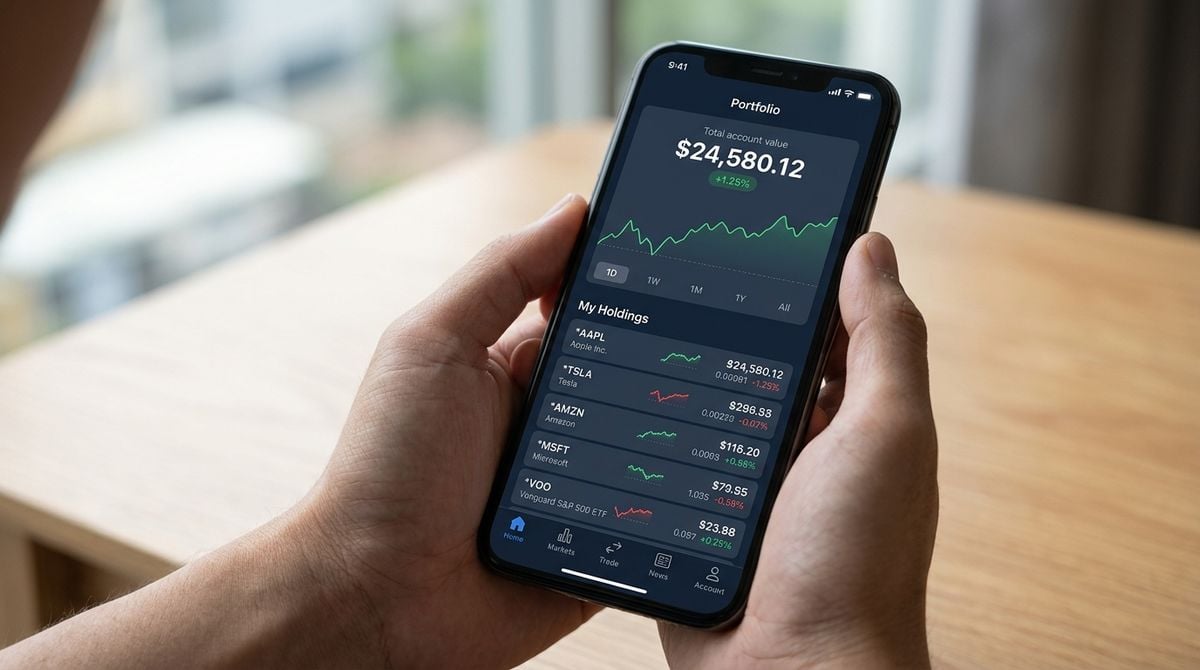
Look for an app that works well on a phone, since most visits happen away from a desk. Check that invoices can be sent from the road and that clients can pay without creating a new account. Simple interfaces tend to get used every week, while complicated ones often get abandoned after a month. Try a free trial with one client before moving the whole business across.
Export invoice totals to a spreadsheet once a month, which creates a backup and allows a quick look at income trends. Store the export somewhere separate from the invoicing app, so the records survive if the account is closed or the device is lost. A reliable system is one that you can trust even on a quiet week when nothing seems urgent.
Getting Paid Without Awkward Chasing
Prompt invoices and polite reminders help a pet sitting business run on steady cash flow. Keep client records tidy, itemize visits clearly, mark payments as they arrive and review the totals each month. With those habits in place, billing becomes a quick and predictable part of the week rather than a stressful task that keeps growing in the background.