
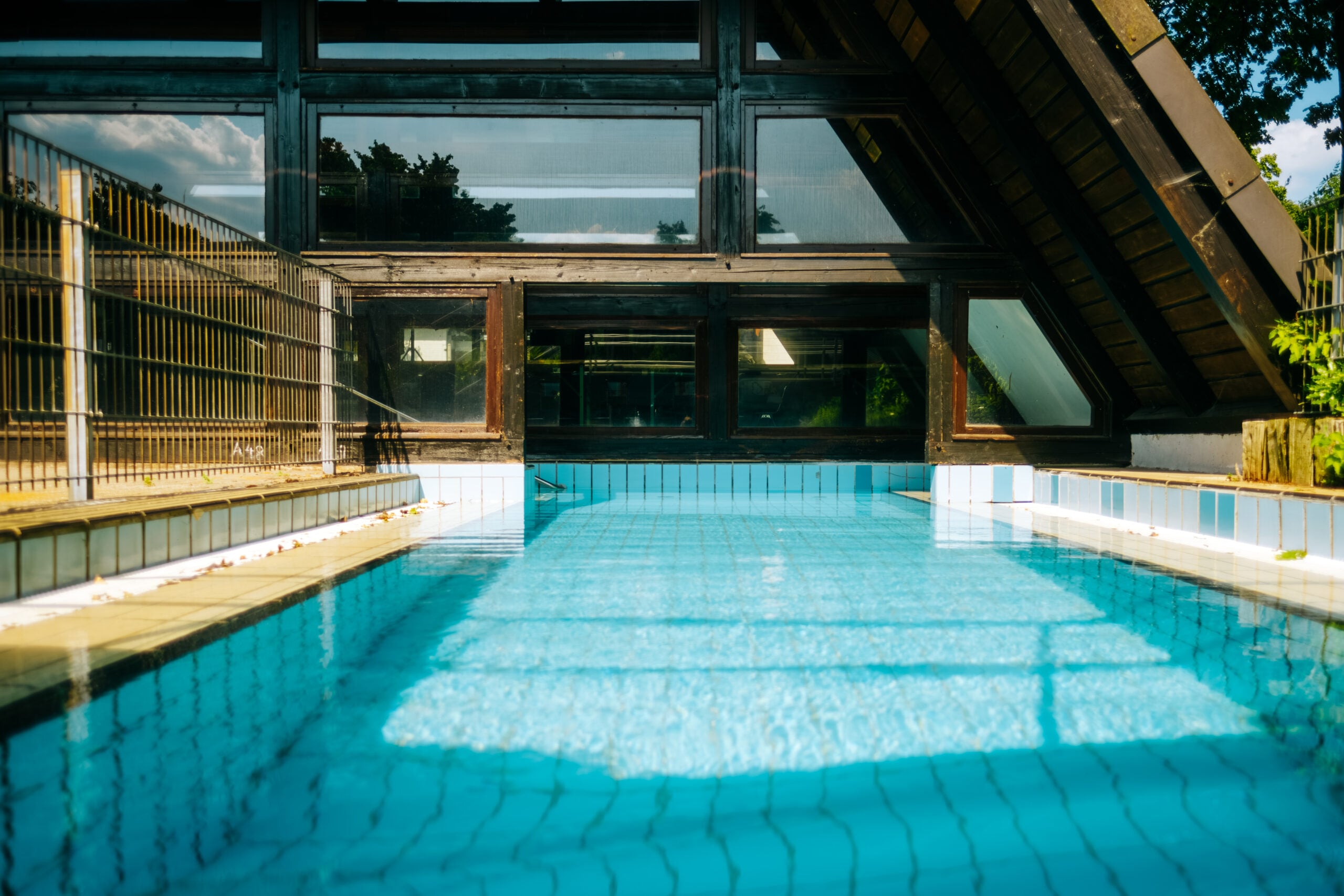
Adding a swimming pool to your home is an exciting investment — but without proper planning, costs can spiral fast. Whether you’re dreaming of a simple backyard dip pool or a resort-style oasis, understanding how to budget before you break ground is the smartest first step you can take.
Start With the Full Picture
Most homeowners focus only on the construction price when planning for a new pool. But the true cost of ownership goes well beyond what your pool builder quotes upfront. Before you commit to anything, map out every expense category involved — from installation to long-term maintenance.
Understand the Main Cost Categories
Construction and Installation
This is your largest upfront cost. The price varies significantly based on pool type (concrete, fiberglass, or vinyl liner), size, shape, and site conditions. Concrete pools offer the most customization but tend to be the most expensive. Fiberglass pools are faster to install and easier to maintain. Vinyl liner pools often come with a lower initial price tag but require liner replacements over time.
Site Preparation
Don’t overlook what it takes to prepare your yard. Rocky terrain, poor drainage, limited access for equipment, or the need to remove existing landscaping can all add to your costs. Ask your pool builder to assess your site early so there are no surprises in the contract.
Permits and Inspections
Every municipality has its own requirements for pool construction. Permit fees, inspections, and compliance with local zoning laws are non-negotiable costs that must be factored into your budget from the start.
Fencing and Safety Features
In many areas, safety fencing is legally required. Even where it isn’t, it’s highly recommended — especially for households with children. Gates, alarms, and pool covers add to costs but also add real value and peace of mind.
Decking and Landscaping
The pool itself is just one part of the finished space. Surrounding decking, lighting, and landscaping can significantly affect your final spend. These elements transform a pool into a complete outdoor living area.
Ongoing Operational Costs
Heating, chemicals, cleaning equipment, and water utility costs accumulate every month. These recurring expenses are easy to underestimate. Factor them into your annual budget, not just your one-time spend.
Build in a Contingency Buffer
No construction project goes perfectly according to plan. Material price fluctuations, weather delays, and unforeseen site conditions can push costs higher than expected. A contingency buffer of around 10–15% of your total project budget is a reasonable safeguard.
Get Multiple Quotes
Reach out to more than one pool builder before making a decision. Comparing quotes helps you understand what’s standard in your market, what’s negotiable, and which companies are offering realistic pricing versus suspiciously low bids that might indicate corners being cut.
When reviewing quotes, make sure each one covers the same scope of work. A lower number doesn’t always mean a better deal — what’s included (and what’s excluded) matters just as much as the bottom line.
Explore Financing Options
If paying in full upfront isn’t realistic, there are several ways to finance a new pool. Home equity loans and lines of credit are popular options because they typically offer competitive interest rates. Some pool builders also offer in-house financing arrangements. Whatever route you take, understand the total repayment cost before signing.
Final Thoughts
Budgeting for a new pool takes time and attention to detail, but it sets you up for a smoother build and a better long-term ownership experience. Work with a reputable pool builder who is transparent about costs, willing to walk you through every line item, and experienced enough to anticipate potential issues before they become expensive problems.
A well-planned budget doesn’t just protect your wallet — it helps turn your vision into reality without unnecessary stress.