
It’s easy to brush off a slight pull in your steering wheel when you’re rushing to work. You might think your car just hit a rough patch of road or that the tires are slightly underinflated. But when your vehicle is out of alignment, you’re dealing with more than just a minor daily annoyance. Ignoring this issue causes a domino effect of damage beneath the surface of your vehicle.
If you’ve recently hit a pothole, bumped a curb, or noticed a change in how your car handles, taking your vehicle to a reliable auto body shop for an inspection is the smartest move you can make. The longer you put it off, the more you’ll end up paying in avoidable repairs. Let’s look at exactly what happens to your car when you continue to drive with misaligned wheels, and why fixing it sooner rather than later is crucial for your wallet and your safety.
The Hidden Cost of Uneven Tire Wear
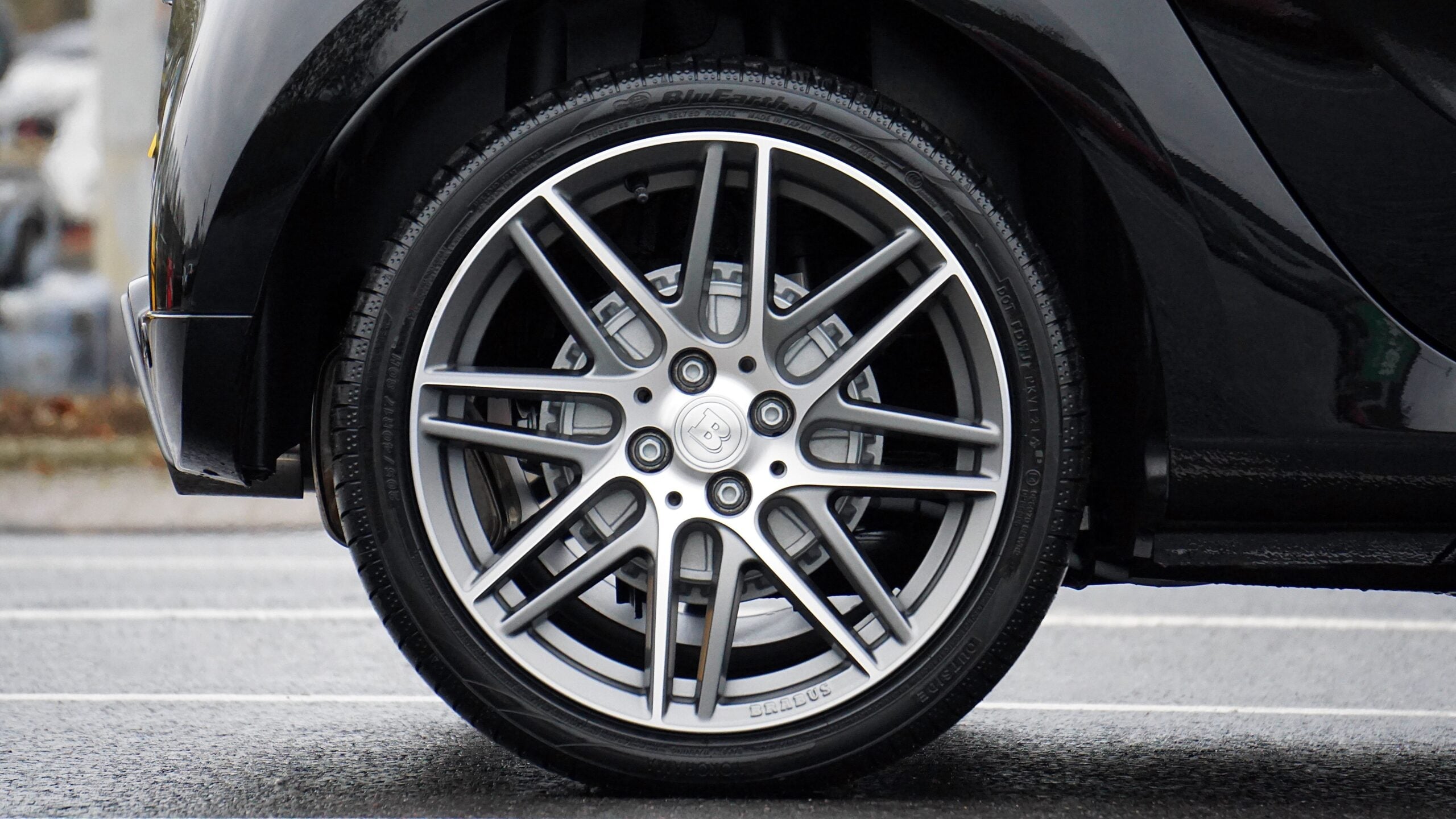
Your tires are the only part of your car that actually touches the road, so they take the immediate hit when your alignment is off. Instead of rolling flat and evenly distributing the weight of the vehicle, misaligned wheels sit at an incorrect angle. This causes the rubber to drag along the pavement rather than rolling smoothly.
Over time, this creates uneven wear patterns on the tread. You might notice the inside edge of your tire is completely bald while the outside edge still looks brand new. This uneven wear ruins the tire long before its expected lifespan is up. Replacing a full set of tires is expensive, and doing it prematurely because you skipped a basic alignment check is a frustrating waste of money. If you want your tires to last for years, they need to meet the road perfectly flat.
Stress on Steering and Suspension Components
Your car’s suspension system is a complex network of parts designed to give you a smooth, comfortable ride. It includes vital components like tie rods, ball joints, control arms, and shocks. When your wheels point in the right direction, these parts work together seamlessly to absorb bumps and keep your car stable.
However, driving out of alignment forces these components to constantly fight against each other. The system has to compensate for the crooked wheels, which puts extra stress on parts that weren’t designed to handle it. A ball joint that should last for years might wear out in a matter of months under this kind of constant strain. Replacing suspension parts costs far more than a simple alignment service. By forcing your car to drive crooked, you’re actively wearing out the exact mechanisms that keep your ride stable.
Your Gas Mileage Takes a Hit
When your wheels aren’t aligned, they aren’t working together to push the car straight ahead. Instead, one or more wheels are trying to pull the vehicle slightly to the side. To keep the car moving in a straight line, your engine has to work much harder to overcome that physical resistance.
This extra effort directly impacts your fuel economy. You’ll find yourself filling up the gas tank more frequently because your car is essentially dragging its tires down the highway. While the drop in miles per gallon might seem small at first, those extra stops at the pump add up quickly over a few months. Fixing the alignment lets your vehicle roll freely without fighting itself, improving your gas mileage and keeping more cash in your pocket.
Compromised Handling and Safety
Perhaps the most concerning aspect of driving a misaligned car is the toll it takes on your safety. When the angles of your wheels are off, your steering wheel doesn’t respond as quickly or as accurately as it should. If you need to swerve suddenly to avoid an obstacle in the road, a misaligned car might feel loose, sluggish, or unpredictable.
Uneven tire wear reduces the amount of grip your vehicle has on the pavement. In wet or icy conditions, a bald patch on a misaligned tire significantly increases your stopping distance. You run a much higher risk of hydroplaning or losing control during a sharp turn. The peace of mind that comes with knowing your car handles exactly as intended is worth the trip to the mechanic.
Catching the Warning Signs Early
You don’t need to be a car expert to know when something is wrong with your alignment. Your vehicle will give you several clear hints before major damage occurs.
Pay attention to these common warning signs during your daily commute:
- Drifting from center: Your car drifts to the left or right when you briefly take pressure off the steering wheel.
- A crooked steering wheel: The steering wheel sits off-center even when you’re driving straight down the road.
- Vibrations: The steering wheel shakes or rattles when you reach highway speeds.
- Unusual noises: You hear a low humming or squealing noise coming from your tires while turning a corner.
If you notice any of these symptoms, it’s time to get your vehicle looked at by a professional before the problem gets worse.
An Investment in Alignment
A car is a significant investment, and protecting it requires paying attention to the details. Wheel alignment isn’t just an optional service meant to make your ride a little smoother; it’s a vital part of basic vehicle maintenance. By ensuring your wheels meet the road at the correct angles, you protect your expensive tires, save money on gas, and keep your suspension system in top shape. Most importantly, you guarantee that your car remains safe and predictable every time you get behind the wheel. Don’t wait for a ruined tire or a failing ball joint to force your hand. Address alignment issues early, and your car will reward you with years of reliable performance.