
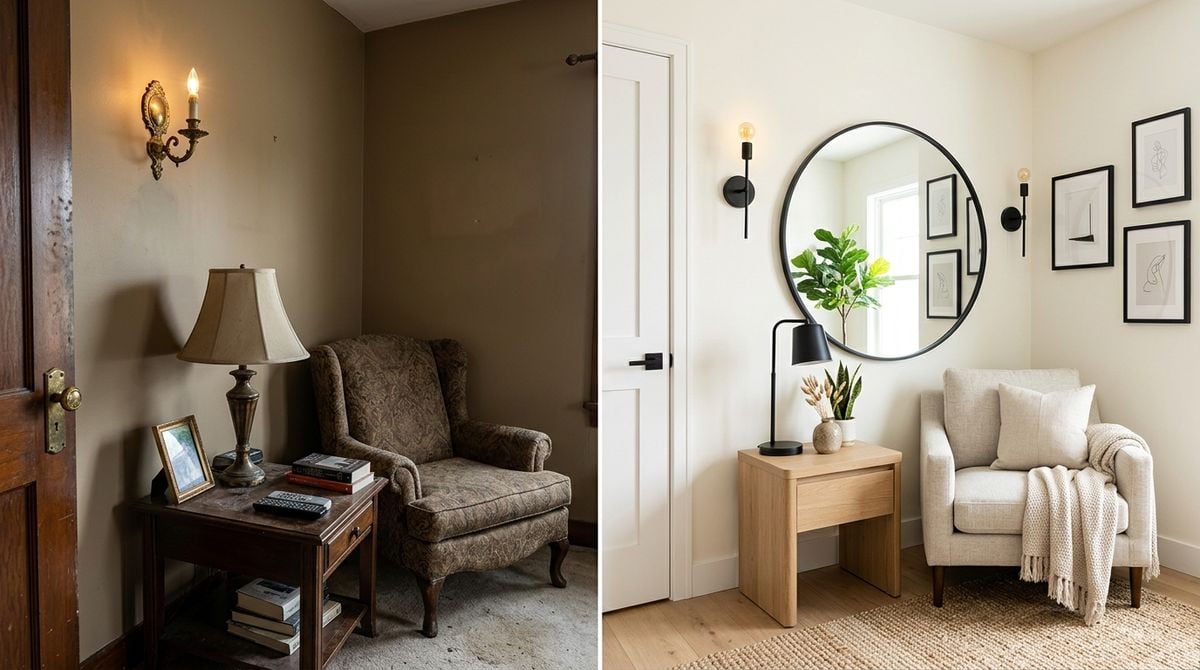
A break room is often the one space in an office or workshop where people can step away from their desks. When it feels cramped, untidy or unwelcoming, staff may skip their breaks altogether. Small refinements can change that quickly and cost far less than most employers expect. The ideas below focus on comfort, cleanliness and a sense that the space was planned with care.
This article offers general workplace ideas for owners and managers who want a better shared room. It does not give medical or health advice, and it does not promise particular outcomes for any person. Every workplace has different space, budgets and rules, so treat each suggestion as a starting point. The aim is a place where the team can rest and recharge in a practical way.
Seating and Light
Comfortable seating encourages people to take a proper break rather than eating at their desks. Choose chairs with supportive backs and avoid anything that is hard to clean. Arrange the furniture so people can sit facing each other or in quieter corners, depending on their preference. Good seating makes the room feel like a choice rather than a corridor.
Lighting has a surprisingly large effect on mood in shared spaces. Replace flickering or harsh fittings with warm, even light where possible. Add a lamp or two near the seating so the room does not depend on a single overhead panel. Natural light, where available, is a welcome bonus that costs nothing extra.
Readers may also want to visit Fashion Sky. Those resources often suggest a short staff survey before any furniture is bought. Ask the team what they would use most, and invest in those features first. A survey also shows that the company values the opinions of its people.
Water and Simple Refreshments
Easy access to water is one of the most useful things a break room can offer. A filtered water dispenser or a clean jug with cups makes it simple to stay hydrated during a busy shift. Keep the area around the tap dry and tidy so that it looks cared for. Small details like these show that the wellbeing of the team matters.
Simple refreshments such as tea, coffee and fresh fruit also help people feel welcome. Choose options that suit a range of tastes and dietary preferences. Label anything that contains common allergens, and keep the supply stocked on a regular schedule. You can also visit polish-clothes.com for more reading. Thoughtful choices make the room feel generous without a large budget.
Quiet Corners
Not every break needs to be social. A quiet corner gives people a place to rest, read or simply sit without interruption. Use screens, plants or a simple rug to separate that area from the busier part of the room. A small sign asking people to keep voices low helps protect the peace. For a related read on this site, see Small Booking Changes That Make a Service Business.
Consider whether the quiet space can also serve as a private spot for a short phone call. Soundproofing does not need to be expensive, and soft furnishings can reduce echo. Offer a clear rule about how long the space can be used during a busy period. Clear expectations help everyone feel that the space is fair.
Clean Surfaces and Shared Items
A clean break room signals respect for everyone who uses it. Set a simple cleaning schedule and post it where people can see it. Provide wipes and a bin near the microwave, kettle and fridge so that spills are dealt with quickly. Regular attention prevents the space from becoming a source of frustration.
Shared items such as mugs, cutlery and tea towels need a clear system too. Label storage shelves, and replace anything that is chipped or worn. Ask staff to take their personal food home at the end of the week to keep the fridge manageable. A tidy kitchen area makes the whole room feel more pleasant to use.
Feedback From the Team
The people who use the break room every day know best what works and what does not. Invite comments through a suggestion box, a short poll or a regular chat during team meetings. Review the feedback together and choose a small number of changes to test first. Visible action on feedback builds trust and encourages honest input in the future.
Thank people when their suggestions lead to a change, even if the change is small. Mention the name of the idea’s owner if they agree to be credited. Public thanks encourages more people to speak up at the next meeting.
Share the outcome of each change with the team, including the reasons for any decision that was not taken forward. Honest updates show that the suggestions were heard and considered. A break room that evolves with the people using it tends to stay welcoming for longer.
A Space Your Team Wants to Use
A good break room is a simple investment in the everyday experience of work. Comfortable seats, good light, easy access to water, quiet corners and a clean kitchen all contribute to a calmer day. Listen to the team, make changes in small steps and keep improving the space. When people choose to take their breaks in a shared room, the benefits tend to reach the whole workplace.