
Packing always takes longer than expected. What looks like a weekend project can quickly spiral into a week-long ordeal when you realize halfway through that you’re out of tape, your boxes are too small, and you have no idea where to put your kitchen knives. The secret to a smoother move—or a well-organized stint in a storage unit—starts long before you tape up the first box. It starts with having the right supplies on hand.
Whether you’re relocating across town or simply freeing up space at home by moving items into storage unit rentals, this checklist will help you gather everything you need so you can pack efficiently and protect your belongings.
Boxes: The Foundation of Every Pack Job
Not all boxes are created equal, and using the wrong size for the wrong item is one of the most common packing mistakes. Small boxes are ideal for heavy items like books and tools, since they keep weight manageable. Medium boxes work well for kitchen items, toys, and small appliances. Large boxes should be reserved for lightweight, bulky items such as bedding, pillows, and lampshades—stuffing them with anything heavier makes them difficult to carry and prone to breaking.
Specialty boxes are worth the investment too. Wardrobe boxes let you transfer clothes straight from the closet without folding, while dish-pack boxes offer extra padding for fragile kitchenware. If you’re planning to keep items in storage unit rentals for an extended period, sturdy, uniform boxes also make stacking easier and help you maximize vertical space.
Tape and Sealing Supplies
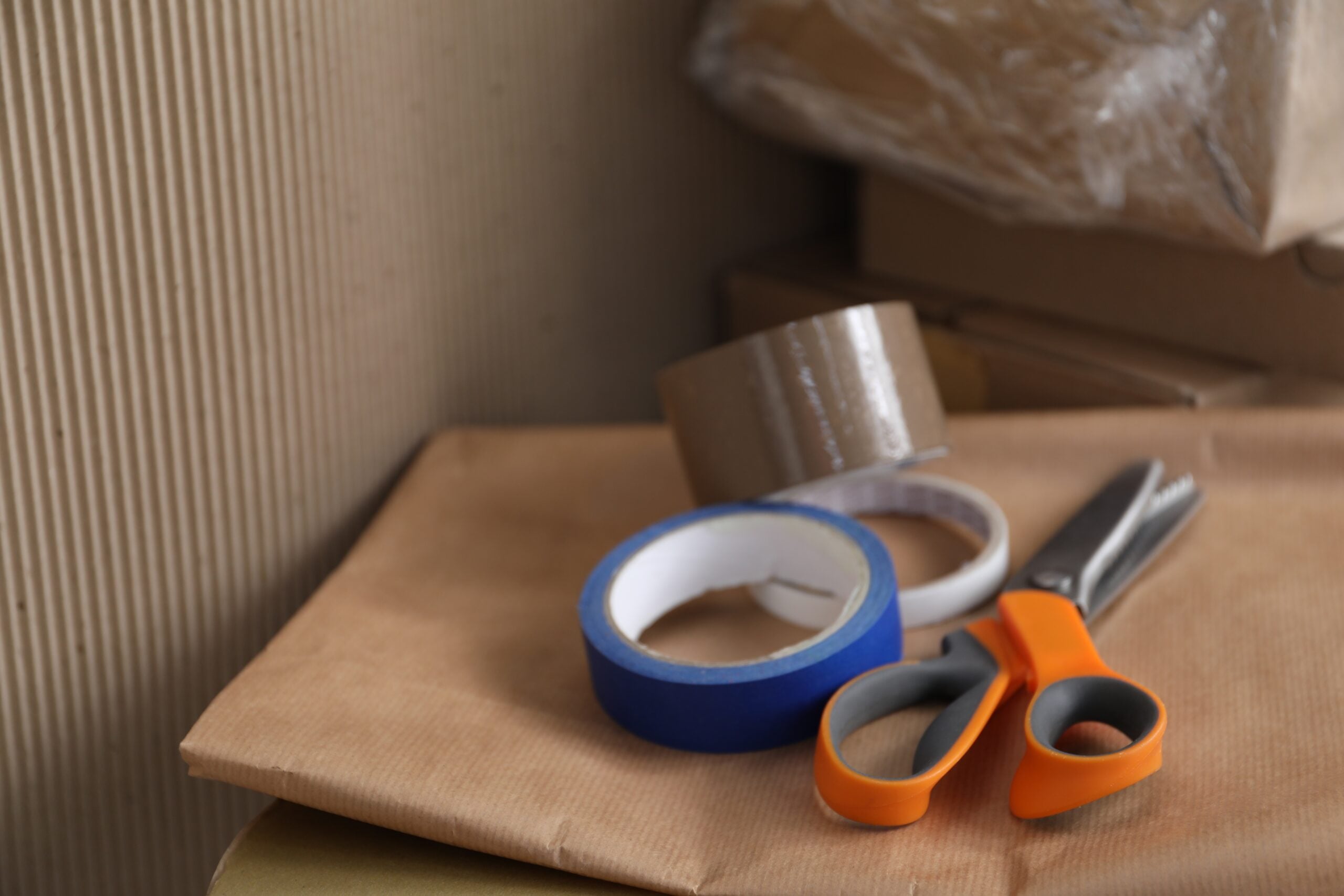
A roll of tape might seem like an afterthought, but running out mid-pack is a frustrating way to lose momentum. Stock up on heavy-duty packing tape rather than household tape, which tends to peel off under the weight of a full box. A tape gun can also speed things up considerably if you’re sealing dozens of boxes.
Beyond tape, consider furniture straps or stretch wrap for securing drawers, doors, and awkwardly shaped items. These small additions prevent shifting during transport and keep everything intact until you’re ready to unpack.
Cushioning and Protective Materials
Breakage is one of the biggest risks during any move, so cushioning materials deserve real attention. Bubble wrap remains a go-to for dishes, glassware, and electronics, while packing paper is a versatile, lower-cost option for wrapping smaller items or filling empty space in boxes. Old towels, blankets, and clothing can also double as padding, reducing how much material you need to buy.
For furniture and mattresses, moving blankets and plastic covers help prevent scratches, dust, and moisture damage—especially important if items will be sitting in storage unit rentals for months rather than days. Corner protectors are another smart addition for picture frames, mirrors, and tabletops.
Labeling and Organization Tools
A permanent marker and a roll of colored labels can save hours of frustration later. Label each box with its contents and the room it belongs to, and consider color-coding by category or destination. This becomes especially valuable if you’re storing multiple households’ worth of items together, or if you need to locate a specific box months down the line without unpacking everything around it.
Keeping an inventory list, whether on paper or in a simple spreadsheet, is another habit worth building. It gives you a quick reference for what’s inside your storage unit and helps you track down items without guesswork.
Tools and Extras Worth Having
A few practical tools make the entire process smoother. Box cutters or scissors help you quickly open and reseal boxes as needed. Furniture sliders reduce strain when moving heavy pieces across floors, and a hand truck or dolly is nearly essential if you’re loading a storage unit yourself. Zip-top bags are handy for keeping small hardware—screws, bolts, cable connectors—together with the furniture they belong to.
Packing Smart from the Start
Gathering your supplies before you begin packing eliminates the stop-and-start frustration that turns a simple task into a stressful one. With sturdy boxes, reliable tape, proper cushioning, and a clear labeling system, you’ll protect your belongings and make the entire process—from your living room to your storage unit—far more manageable.