
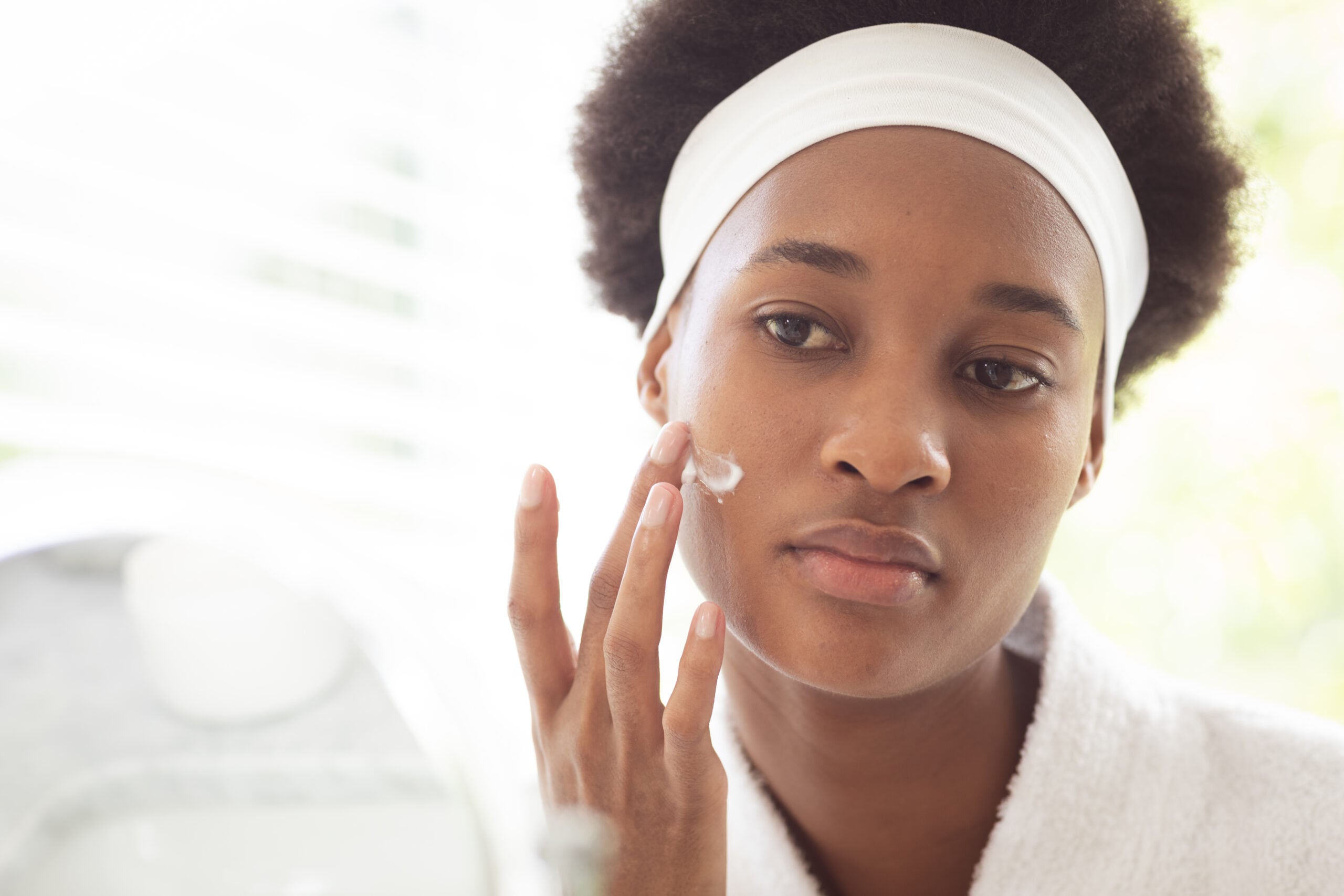
Cleansing seems like the simplest step in any skincare routine. Splash, lather, rinse, repeat. But as skin matures, this basic habit deserves a second look. The formula that worked well in your twenties or thirties may no longer serve you the way it once did, and continuing to use it out of habit could be doing more harm than good.
How Skin Changes Over Time
Mature skin behaves differently than it did in earlier years. It tends to produce less natural oil, which means the protective barrier that keeps moisture in and irritants out becomes thinner and more fragile. Cell turnover also slows down, so the skin’s surface doesn’t renew itself as quickly. On top of that, skin often becomes more sensitive and prone to dryness, redness, or a tight, uncomfortable feeling after cleansing.
These shifts matter because the products and methods you use to clean your face directly affect how well your skin retains hydration and stays balanced. A cleanser that once left your skin feeling refreshed might now leave it feeling stripped, dull, or irritated.
The Problem with Traditional Cleansers
Many popular cleansers are designed to cut through oil and remove every trace of dirt, makeup, and sebum. For younger, oilier skin, this deep-cleaning approach makes sense. But for mature skin, it can backfire.
Foaming cleansers and those containing strong surfactants often strip away the natural lipids that skin needs to maintain its barrier. Without those lipids, skin struggles to hold onto moisture, which can accelerate the appearance of fine lines and rough texture. Similarly, cleansers with high concentrations of alcohol or fragrance can trigger sensitivity, especially in skin that’s already more reactive due to age-related changes.
The result is a frustrating cycle: skin feels clean right after washing, but within minutes it starts to feel tight, dry, or irritated. That discomfort is often a sign that the cleansing method itself needs to change.
What Mature Skin Actually Needs
Instead of focusing on stripping away everything, mature skin benefits from a gentler, more supportive approach to cleansing. The goal shifts from deep-cleaning to preserving the skin’s natural balance while still removing impurities.
Cream and oil-based cleansers tend to work well because they dissolve dirt and makeup without disrupting the skin’s lipid barrier. These formulas cleanse effectively while leaving behind a layer of hydration rather than removing it entirely.
Lower-foaming or foam-free formulas are generally milder, since foaming agents are often the ingredients most likely to cause dryness and irritation. Choosing a cleanser that rinses clean without producing heavy lather can make a noticeable difference in how skin feels afterward.
Lukewarm water instead of hot also plays a role. Hot water might feel soothing, but it can further dehydrate skin that’s already dealing with reduced oil production. A lukewarm rinse is gentler on the barrier while still effectively removing cleanser and residue.
Shorter cleansing time matters too. Massaging a cleanser into skin for an extended period can increase irritation, particularly with drier, more sensitive skin. A quick, gentle cleanse is often more effective than a prolonged scrub.
Building a Routine That Supports, Not Strips
Adjusting a cleansing routine doesn’t mean abandoning cleanliness. It means choosing methods and products that work with mature skin’s needs rather than against them. This might involve switching to a cream cleanser in the evening and using only water in the morning if skin doesn’t accumulate much oil overnight. It could also mean incorporating a hydrating toner or essence right after cleansing to replenish moisture before it has a chance to evaporate.
Paying attention to how skin feels after each cleanse is one of the best ways to gauge whether a product is working. Tightness, redness, or flakiness are all signals that the current approach may be too harsh.
A Small Shift with Meaningful Results
Rethinking how you cleanse isn’t about complicating your routine. It’s about recognizing that skin’s needs evolve and that the products supporting it should evolve too. A gentler, more thoughtful cleansing strategy can help mature skin stay balanced, comfortable, and better equipped to handle whatever comes next in a skincare routine. Sometimes the smallest adjustments make the biggest difference in how skin looks and feels day to day.