
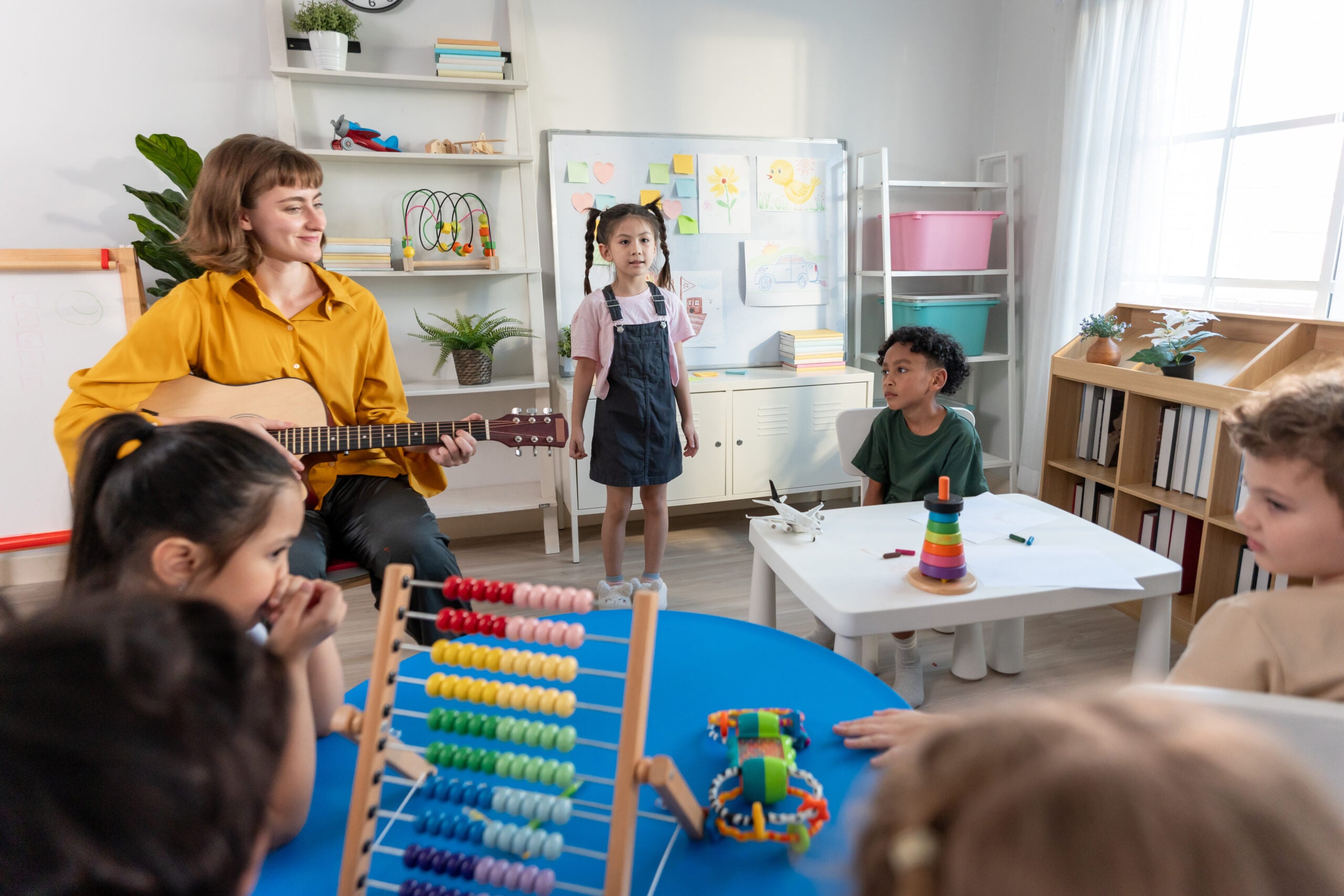
Starting preschool is a big milestone, not just for little ones but for the whole family. Whether your child is heading to a classroom for the first time or returning after a summer break, a bit of preparation can turn nervous energy into excitement. Early education sets the tone for a child’s relationship with learning, and the transition back to school is the perfect opportunity to build habits that support that journey. Here are five practical tips to help your preschool family ease into the new school year with confidence.
1. Establish a Consistent Routine Early
Children thrive on predictability, and preschoolers are no exception. In the weeks leading up to the first day, start shifting bedtimes and wake-up times to match the school schedule. This gradual adjustment helps avoid the shock of an abrupt change and reduces morning meltdowns once classes begin.
Beyond sleep, consider building a simple daily rhythm that includes consistent times for meals, play, and quiet activities. A predictable routine gives young children a sense of security, which makes it easier for them to adapt to the structure of a preschool classroom. The goal isn’t perfection, it’s familiarity. When children know what to expect at home, they feel more equipped to handle new expectations at school.
2. Talk About School in a Positive, Low-Pressure Way
How you talk about preschool matters just as much as what happens once your child gets there. Use everyday moments, like car rides or bath time, to bring up school in a relaxed, upbeat way. Share simple, honest details about what a typical day might look like: playing with classmates, singing songs, or exploring new activities.
Avoid overloading your child with too much information or projecting your own anxieties onto the conversation. Instead, ask open-ended questions like, “What do you think you’ll like most about your classroom?” This invites your child to express their feelings and gives you insight into any worries they might have, so you can address them before the first day arrives.
3. Visit the Classroom or School Ahead of Time
Familiarity breeds comfort, especially for young children stepping into a new environment. If your preschool offers an open house, orientation day, or the chance to schedule a visit, take advantage of it. Walking through the classroom, meeting the teacher, and seeing where cubbies, bathrooms, and play areas are located can make the space feel far less intimidating.
If an in-person visit isn’t possible, ask the school for photos or a virtual tour. Some educators also provide a class roster or a short video introduction. Even a quick drive-by of the building can help a child mentally map out where they’ll be spending their days.
4. Involve Your Child in Preparations
Getting your child involved in back-to-school preparations builds excitement and a sense of ownership over the experience. Let them pick out a backpack, choose a lunchbox, or help select a few school supplies. These small decisions give preschoolers a feeling of control during a time of change.
You can also turn practical skills into fun practice sessions at home. Encourage your child to try zipping their own backpack, opening snack containers, or putting on their shoes independently.
5. Connect With Teachers and Other Families
Building relationships early creates a support network for both you and your child. Take time to introduce yourself to your child’s teacher, whether through email, a phone call, or an in-person meeting. Share any helpful details about your child’s personality, interests, or needs. Teachers appreciate this insight, and it helps them tailor their approach from day one.
It also helps to connect with other families in your child’s class. Setting up a playdate before school starts, joining a class group chat, or simply chatting at drop-off can help your child recognize a friendly face once the term begins.
Making the Transition Smooth for Everyone
Preparing for preschool doesn’t have to be overwhelming. Small, intentional steps, like adjusting routines, having open conversations, and involving your child in the process, can make a lasting difference in how they experience this new chapter. Early education is as much about building confidence and social skills as it is about academics, and the effort you put in now lays a strong foundation for years of learning ahead. With a little planning and a lot of encouragement, your family can approach the new school year feeling ready and excited for what’s to come.