
Jordan Sudberg Explains PRP Therapy for Joint Pain Relief: A Cutting-Edge Solution for Lasting Comfort
Joint pain affects millions of people worldwide, often interfering with daily activities and reducing quality of life. Traditional treatments like medications, physical therapy, or even surgery have their place—but many patients seek alternatives that promote healing with minimal downtime and fewer risks.
Enter Platelet-Rich Plasma (PRP) Therapy, an innovative, regenerative treatment gaining traction in the field of pain management. Pain specialist Jordan Sudberg has seen firsthand how PRP therapy offers new hope for patients suffering from chronic joint pain, arthritis, and soft tissue injuries.
“PRP therapy harnesses the body’s own healing potential,” says Sudberg. “It’s an exciting option that can reduce pain, improve function, and sometimes even delay or avoid the need for surgery.”
In this article, we’ll explore what PRP therapy is, how it works, its benefits, who is a good candidate, and what to expect during treatment—guided by insights from Jordan Sudberg.
What Is PRP Therapy?
PRP stands for Platelet-Rich Plasma, a concentration of platelets derived from your own blood. Platelets are tiny cells that play a crucial role in blood clotting—but they also contain growth factors and proteins that stimulate tissue repair and regeneration.
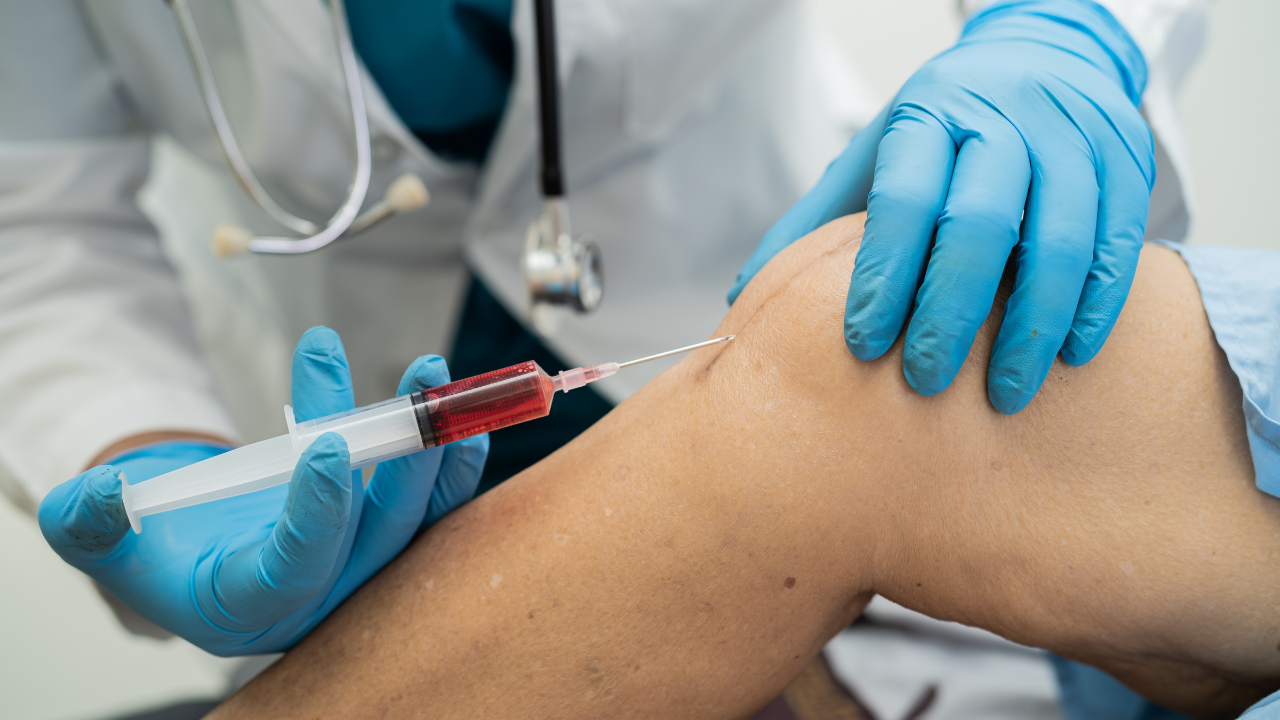
In PRP therapy, a small amount of blood is drawn from the patient, then spun in a centrifuge to separate the platelet-rich plasma from other blood components. This PRP is then injected directly into the injured or painful joint area.
According to Jordan Sudberg, this concentrated dose of growth factors helps jumpstart the body’s natural healing process at the site of damage.
“By delivering these healing components directly to where they’re needed most, PRP therapy can accelerate tissue repair and reduce inflammation,” explains Sudberg.
How Does PRP Therapy Help Joint Pain?
Joint pain often stems from conditions like:
- Osteoarthritis
- Tendonitis
- Ligament injuries
- Cartilage damage
- Chronic inflammation
PRP therapy addresses the underlying tissue damage and inflammation, rather than just masking pain like traditional medications.
Jordan Sudberg highlights three key ways PRP helps:
- Stimulates Tissue Regeneration: Growth factors in PRP encourage the repair of cartilage, tendons, and ligaments damaged by injury or wear-and-tear.
- Reduces Inflammation: PRP modulates the inflammatory response, helping to relieve swelling and discomfort.
- Promotes Pain Relief: By improving tissue quality and reducing inflammation, PRP can lead to long-lasting pain reduction.
Who Is a Good Candidate for PRP Therapy?
While PRP therapy isn’t a miracle cure, many patients can benefit—especially those looking for a less invasive option.
According to Jordan Sudberg, ideal candidates typically:
- Have mild to moderate joint degeneration (like early osteoarthritis)
- Are experiencing chronic tendon or ligament injuries
- Want to avoid or delay joint replacement surgery
- Have tried conservative treatments (physical therapy, medications) without sufficient relief
- Are in generally good health (no active infections or blood disorders)
PRP is less effective for advanced joint degeneration or severe damage where surgery is likely necessary. That’s why a thorough evaluation by a pain management specialist like Jordan Sudberg is essential before starting treatment.
What to Expect During PRP Therapy
PRP therapy is an outpatient procedure with minimal downtime.
Here’s a typical process:
- Consultation and Assessment: Jordan Sudberg conducts a comprehensive evaluation to determine if PRP is appropriate.
- Blood Draw: A small amount of blood (usually 20-60 ml) is taken from your arm.
- Centrifugation: The blood is spun in a centrifuge to concentrate the platelets.
- Injection: Using ultrasound guidance for precision, the PRP is injected into the affected joint or soft tissue.
- Recovery: Most patients experience mild soreness or swelling for a few days, but can generally return to normal activities quickly.
Sudberg emphasizes the importance of following post-treatment instructions and allowing time for healing.
“PRP is not an instant fix,” he says. “It typically takes several weeks for the growth factors to promote healing and pain relief, with results often improving over months.”
Benefits of PRP Therapy Over Traditional Treatments
Compared to standard therapies, PRP offers several advantages:
- Natural and Safe: Uses your own blood, minimizing risks of allergic reactions or disease transmission.
- Minimally Invasive: Avoids surgery and its associated risks.
- Stimulates Healing: Unlike painkillers or steroids, PRP encourages tissue regeneration.
- Can Be Combined: PRP can complement other treatments such as physical therapy.
Jordan Sudberg notes that for many patients, PRP therapy represents a valuable middle ground between conservative care and surgery.
“It’s a powerful tool in our pain management arsenal,” he says. “When used appropriately, PRP can provide meaningful relief and improved function.”
Are There Any Risks or Side Effects?
PRP therapy is generally very safe, but like any medical procedure, it carries some risks:
- Temporary pain or swelling at the injection site
- Minor bruising
- Infection (rare, due to sterile technique)
- No systemic side effects since it’s autologous (from your own blood)
Patients with bleeding disorders, certain infections, or severe illness may not be good candidates. Always consult with a qualified specialist like Jordan Sudberg to determine suitability.
Patient Success Stories
Many patients report significant improvements following PRP therapy. For example, Sudberg recalls a patient with chronic knee osteoarthritis who was able to reduce pain medication and increase activity levels after a series of PRP injections.
“She told me it felt like she got her life back,” Sudberg shares. “That’s the impact this treatment can have when tailored properly.”
The Future of Joint Pain Relief with PRP
PRP therapy is part of a growing field of regenerative medicine focused on healing and restoring function. Researchers continue to study optimal protocols, combination treatments (like PRP plus stem cells), and long-term outcomes.
Jordan Sudberg remains optimistic:
“As we learn more, PRP and related therapies will only become more effective and accessible—giving patients more options to live pain-free lives.”
Final Thoughts
Joint pain doesn’t have to dictate your lifestyle or future. With advances like PRP therapy, guided by specialists such as Jordan Sudberg, patients can tap into their own healing power to reduce pain and improve function naturally.
If you’re struggling with joint discomfort and want to explore alternatives beyond medications or surgery, PRP therapy might be worth considering.
“Talk to a pain management professional,” advises Sudberg. “The right evaluation can open doors to treatments that truly change your quality of life.”